Modular Kitchen Cabinets – Complete Guide to Types, Materials, Cost & Benefits
Modular Kitchen Cabinets – Complete Guide to Types, Materials, Cost & Benefits
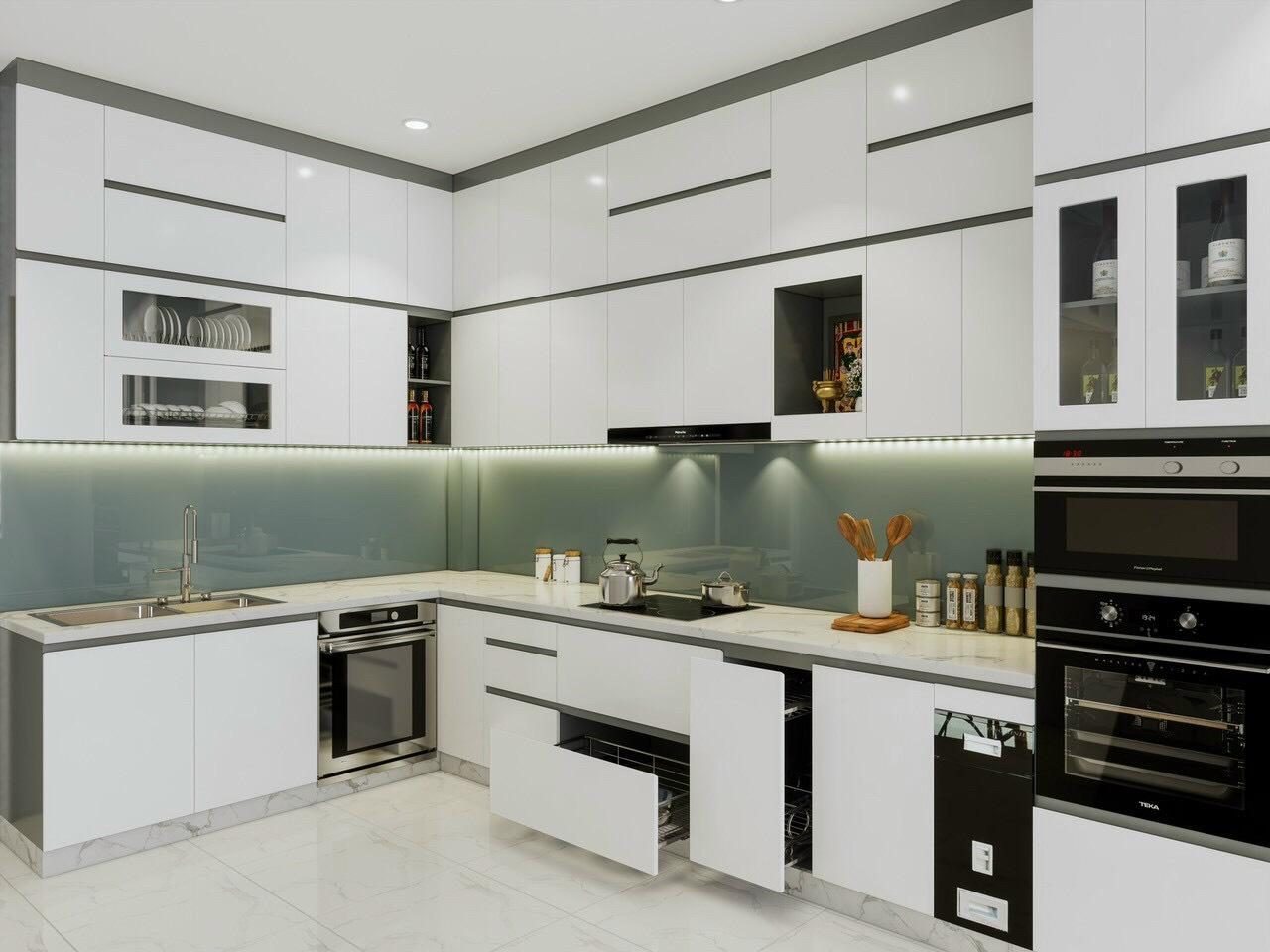
Modular kitchen cabinets play an important role in creating a functional, organized and attractive kitchen. They provide storage for utensils, cookware, groceries, appliances and other essentials while helping maintain a clean and coordinated appearance.
Whether you are planning a new modular kitchen or renovating an existing one, choosing the right cabinet design and materials can make a significant difference. Cabinet layout, internal storage, shutter finish, hardware and installation quality all influence the usability and overall cost of your kitchen.
SLE Pune offers modular kitchen and kitchen interior solutions designed around individual space requirements, preferred finishes and budgets. This guide explains the main types of modular kitchen cabinets, available materials, design options, benefits and cost considerations to help you make an informed decision.
What Are Modular Kitchen Cabinets?
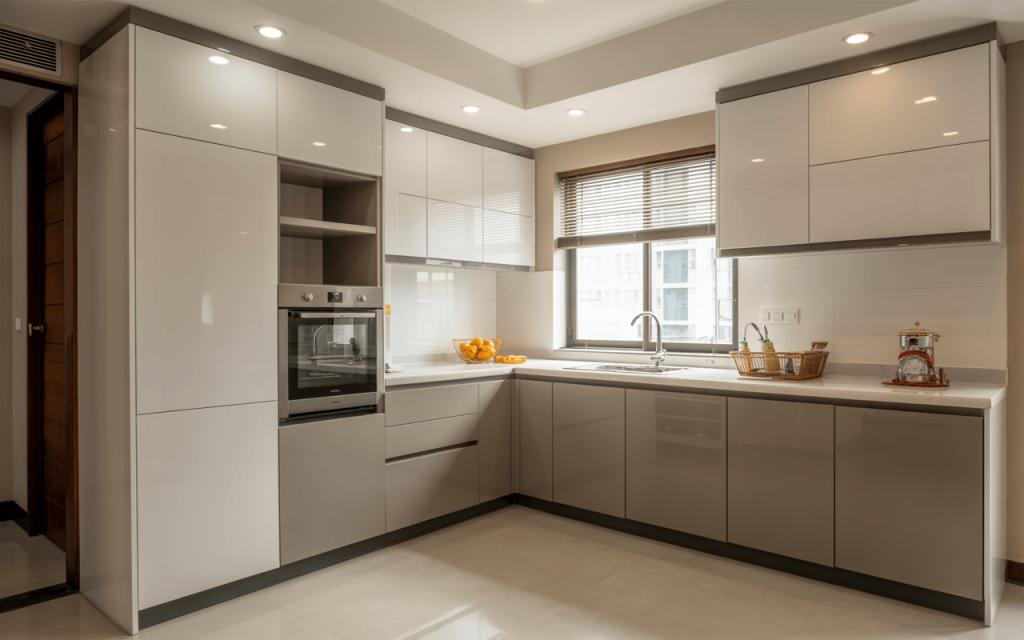
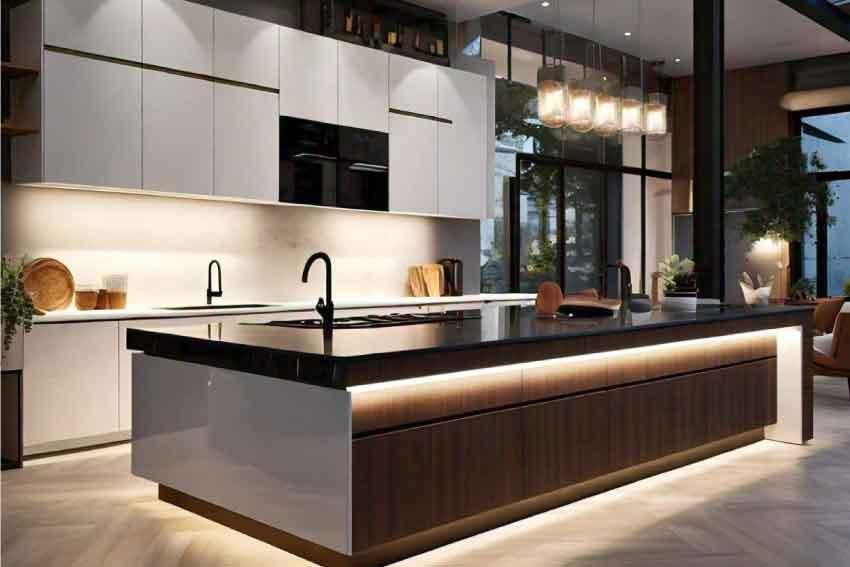
Modular kitchen cabinets are prefabricated or modular storage units designed to fit together in a planned kitchen layout. They typically include cabinet carcasses, shutters, shelves, drawers and hardware.
Unlike a collection of unrelated cupboards, modular cabinets are designed as part of a coordinated system. Their dimensions and configurations can be selected according to the available space, appliance requirements and storage needs.
A modular kitchen can include base cabinets, wall-mounted cabinets, tall pantry units, corner storage and specialised drawers. Combining these elements helps make better use of the available kitchen area.
Types of Modular Kitchen Cabinets
1. Base Kitchen Cabinets
Base cabinets are installed below the countertop and provide storage for pots, pans, cookware and frequently used kitchen items. They can be fitted with shelves, drawers or pull-out baskets depending on the cabinet dimensions.
Base cabinets also support the countertop, so their construction, alignment and installation must suit the selected countertop material and intended load.
2. Wall-Mounted Kitchen Cabinets
Wall cabinets are fitted above the countertop to provide additional storage without occupying floor space. They are useful for storing lighter utensils, cups, plates and everyday kitchen essentials.
The installation height should provide comfortable access while maintaining sufficient clearance above the countertop and cooking area.
3. Tall Kitchen Cabinets
Tall cabinets extend vertically and can accommodate groceries, pantry storage, cleaning supplies or built-in appliances when properly designed.
They are particularly useful when the layout has sufficient height and width to accommodate a dedicated storage unit.
4. Drawer Cabinets
Drawer cabinets provide convenient access to cutlery, utensils, cookware and other frequently used items. Different drawer depths can be planned for different storage purposes.
Quality drawer channels, appropriate load ratings and accurate installation help drawers operate smoothly.
5. Corner Kitchen Cabinets
Corner cabinets make use of areas where two cabinet runs meet. Depending on the layout, options include shelves, rotating units or pull-out corner mechanisms.
The best choice depends on cabinet dimensions, accessibility and budget. Not every corner needs a specialised mechanism if a simpler arrangement works well.
6. Pantry and Pull-Out Cabinets
Pantry cabinets and pull-out units help organize packaged groceries, bottles, spices and other kitchen supplies. Narrow pull-outs can use otherwise difficult-to-access spaces, while larger pantry units can hold a wider range of items.
Select the mechanism according to the cabinet width, intended load and frequency of use.
Popular Modular Kitchen Cabinet Designs
Modular kitchen cabinets can be customized to suit different interior styles.
- Minimalist cabinets: Simple, flat-front shutters and understated colours.
- Handleless cabinets: A streamlined look using compatible profiles or opening mechanisms.
- Wood-finish cabinets: Warm wood-look finishes for a natural appearance.
- Glossy cabinets: Reflective surfaces that create a sleek, contemporary look.
- Matte cabinets: Subtle finishes that suit modern and understated interiors.
- Two-tone cabinets: Different colours for base and wall cabinets to create contrast.
- Glass-front cabinets: Selected glass shutters for displaying crockery or decorative items.
When choosing a design, consider the room’s natural light, wall colour, countertop and cleaning requirements.
Best Materials for Modular Kitchen Cabinets
The cabinet carcass and the exterior shutter finish are separate choices. Both should be specified clearly when comparing modular kitchen quotations.
Plywood Cabinets
Plywood is used in many cabinet applications, with suitability depending on its grade, thickness, construction and protection against moisture. Ask the supplier to identify the exact plywood specification rather than relying only on a general product name.
HDHMR Cabinets
High-density high-moisture-resistant boards are used for certain furniture and cabinet applications. Performance depends on the board specification, exposure conditions, edge sealing and installation.
No board should be treated as completely waterproof unless its verified product specification supports that claim.
MDF Cabinets
Medium-density fibreboard can be used for suitable cabinet and decorative applications. Standard MDF is not automatically suitable for every kitchen environment, particularly where repeated moisture exposure is possible. Confirm the grade and intended use.
Laminate Cabinet Finish
Laminate is a popular shutter finish available in many colours, patterns and textures. It can suit homeowners looking for a practical, coordinated appearance at different budget levels.
Acrylic Cabinet Finish
Acrylic shutters offer a smooth, often glossy appearance. They can create a contemporary look but may require more frequent wiping if fingerprints and surface marks are noticeable.
PU and Veneer Finishes
PU and veneer finishes can provide distinctive colours, textures and premium appearances. Their cost and maintenance requirements depend on the product specification and application.
Buying tip: Ask for the cabinet board type, thickness, shutter finish, edge treatment, hardware brand or model, and warranty terms in writing.
Benefits of Modular Kitchen Cabinets
Better organization: Dedicated shelves, drawers and compartments make it easier to separate different kitchen essentials.
Efficient use of space: Modular units can be planned to fit the available wall lengths, heights and corners.
Design flexibility: Cabinet sizes, colours, finishes and internal configurations can be selected to suit the kitchen.
Convenient access: Drawers and pull-out units can reduce the need to reach into deep cupboards.
Coordinated appearance: Matching cabinet finishes create a consistent interior design.
Simpler upgrades: Depending on the system and cabinet condition, selected shutters, hardware or storage accessories may be replaceable without rebuilding every unit.
Suitable for different budgets: A practical cabinet layout can be planned using different materials and hardware specifications.
Modular Kitchen Cabinet Cost
The cost of modular kitchen cabinets depends on cabinet dimensions, materials, shutter finish, internal accessories, hardware and installation. A complete kitchen quotation may also include the countertop, sink, faucet and related work.
The following are broad planning ranges for a complete modular kitchen, not prices for cabinets alone or confirmed SLE Pune quotations.
| Kitchen specification | Indicative budget |
|---|---|
| Basic compact kitchen | ₹1–₹2 lakh+ |
| Standard modular kitchen | ₹2–₹3.5 lakh |
| Premium-finish kitchen | ₹3.5–₹5 lakh+ |
| Large or highly customized kitchen | ₹5 lakh+ |
Actual prices can vary significantly. These figures should be verified against current supplier quotations before publication or use for budgeting.
For an accurate cabinet estimate, confirm:
- Number and dimensions of base, wall and tall cabinets
- Cabinet carcass material and thickness
- Shutter finish and edge treatment
- Hinges, drawer channels and pull-out hardware
- Internal shelves and storage accessories
- Delivery, fitting and installation charges
- Countertop, appliances, taxes and other inclusions
Do not compare cabinet quotations solely by a per-square-foot rate unless the supplier explains the measurement method and included components.
How to Choose the Right Modular Kitchen Cabinets
- Measure the kitchen: Record wall lengths, ceiling height, windows, doors and service points.
- Plan your storage: List the cookware, groceries, appliances and utensils that need dedicated space.
- Choose the cabinet layout: Select a straight, L-shaped, parallel or U-shaped arrangement according to the room.
- Compare materials: Check the actual board grade, moisture protection, shutter finish and edge sealing.
- Select suitable hardware: Match hinges and drawer systems to cabinet size, load and usage.
- Coordinate colours: Choose cabinet finishes that complement the countertop, backsplash and flooring.
- Review the quotation: Confirm specifications, installation scope, warranty and exclusions before approving the design.
Modular Kitchen Cabinet Solutions by SLE Pune
SLE Pune provides modular kitchen and kitchen interior solutions for homeowners looking to combine practical storage with a coordinated design.
When planning your kitchen, consider how often you cook, which utensils you use daily and how much pantry space you need. This helps determine the most useful combination of base cabinets, wall cabinets, drawers and pull-out accessories.
Discuss your layout, material preferences and budget before finalizing your cabinet specifications.
Contact SLE Pune: +91 93724 40445
Address: Sukhasagar Road, Sai Nagar, Shatrunjay Nagar, Kondhwa, Pune, Maharashtra 411048.
1. Which material is best for modular kitchen cabinets?
There is no single best material for every kitchen. Compare board grade, moisture exposure, thickness, edge protection, finish and budget before selecting plywood, HDHMR or another suitable option.
2. What are the main types of kitchen cabinets?
Common types include base cabinets, wall cabinets, tall pantry cabinets, drawer cabinets, corner cabinets and pull-out storage units.
3. Are modular kitchen cabinets customizable?
Yes. Cabinet dimensions, finishes, internal shelves, drawer configurations and accessories can be selected according to the room and household requirements.
4. How much do modular kitchen cabinets cost?
The cost depends on cabinet size, materials, finishes, hardware and installation. Request an itemized quotation to understand the cost of the cabinets separately from the complete kitchen.
5. Are modular kitchen cabinets waterproof?
Not all cabinet materials are waterproof. Moisture resistance depends on the material specification, edge sealing, installation and exposure conditions. Spills and leaks should be addressed promptly.
6. Can old kitchen cabinets be upgraded?
In some cases, existing cabinets can be improved with replacement shutters, new hardware or storage accessories. Their condition and dimensions should be checked first.
7. Which cabinet finish is easy to maintain?
Laminate and other commonly used finishes can be practical choices when cleaned according to manufacturer instructions. Maintenance depends on the exact product and the kitchen environment.
8. How can I maximize kitchen cabinet storage?
Use suitable drawer dividers, pull-out baskets, vertical storage and well-planned corner units. Choose accessories based on actual cabinet measurements and daily usage.