SLE Pune

What are the main components of a modular kitchen?

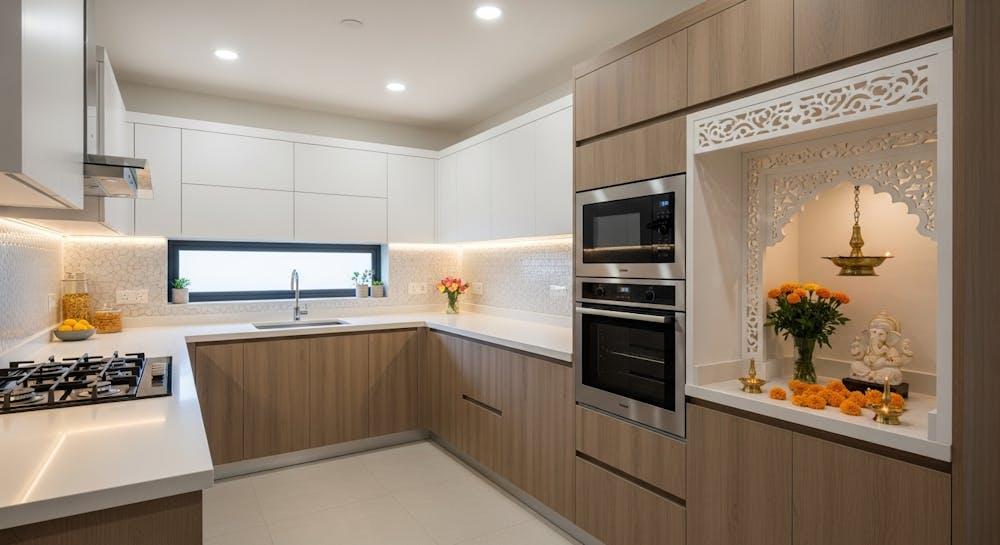
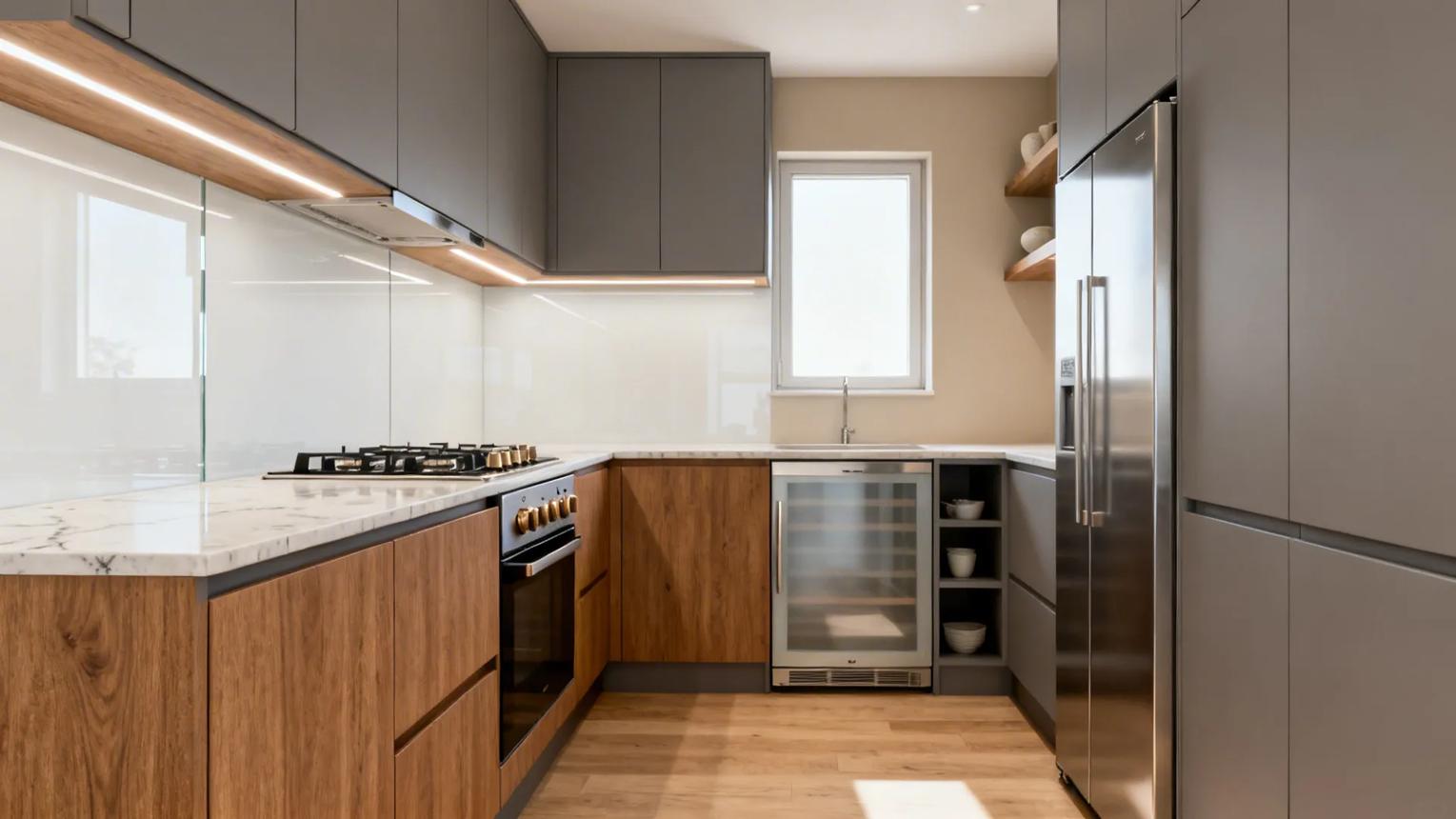
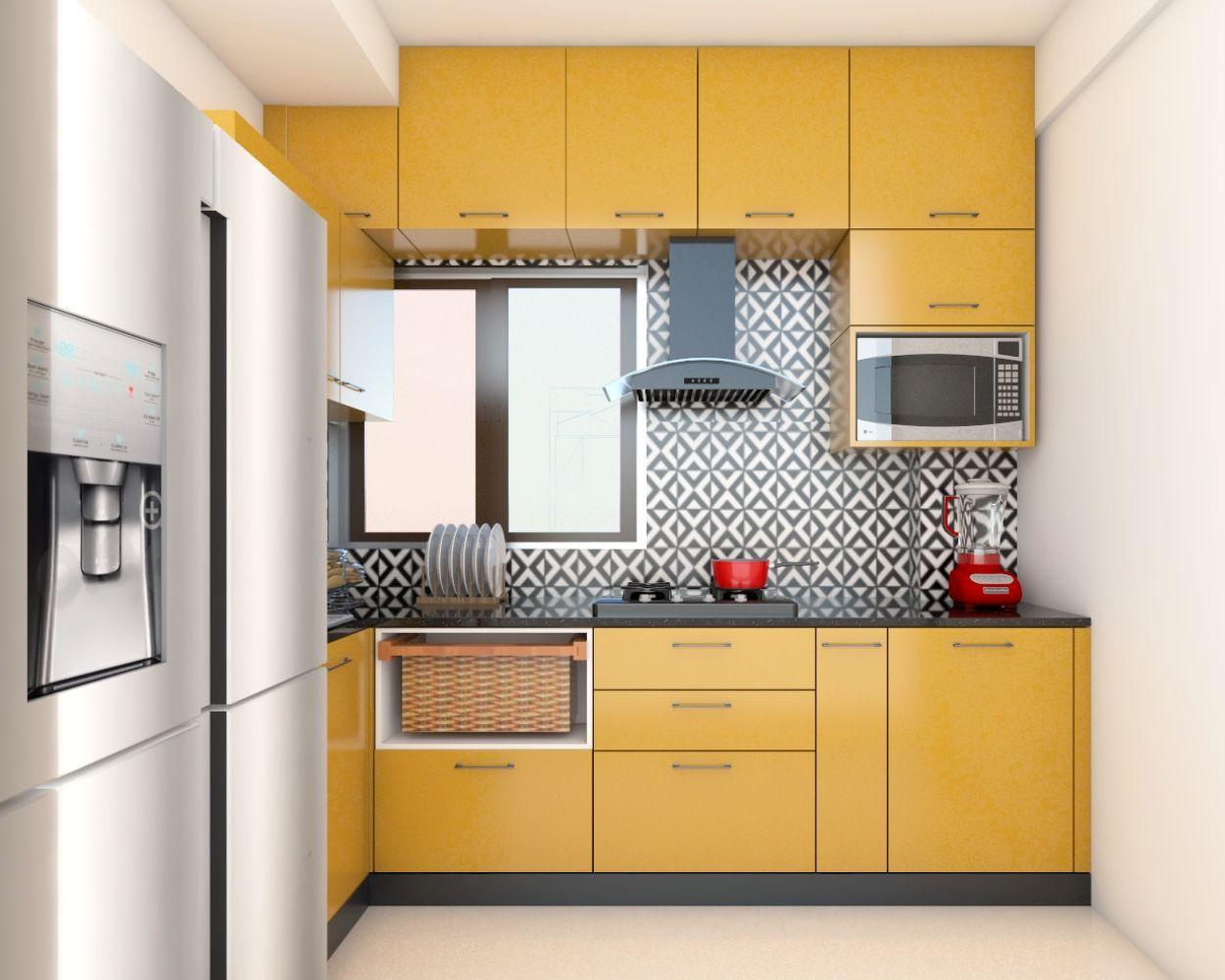
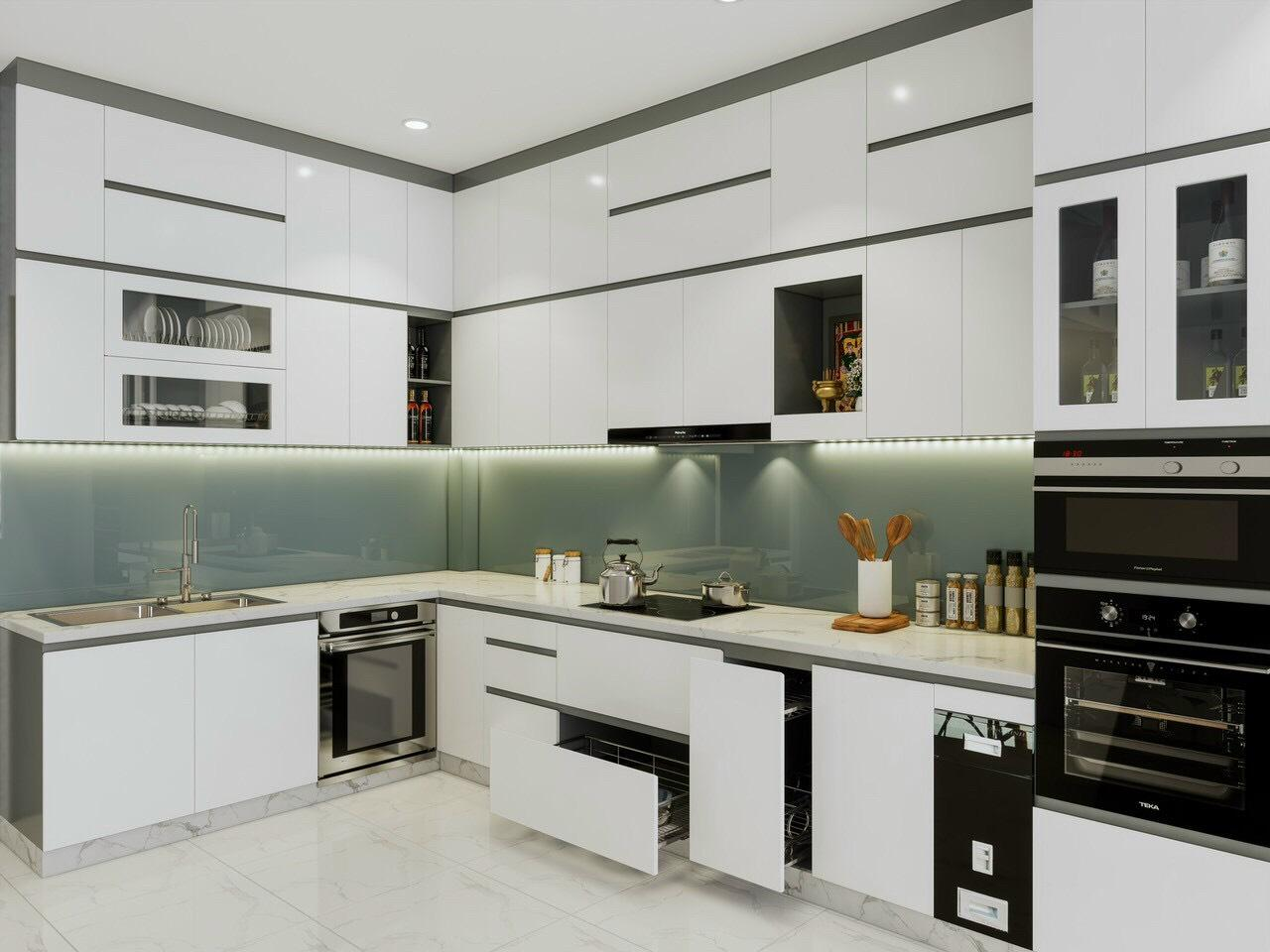
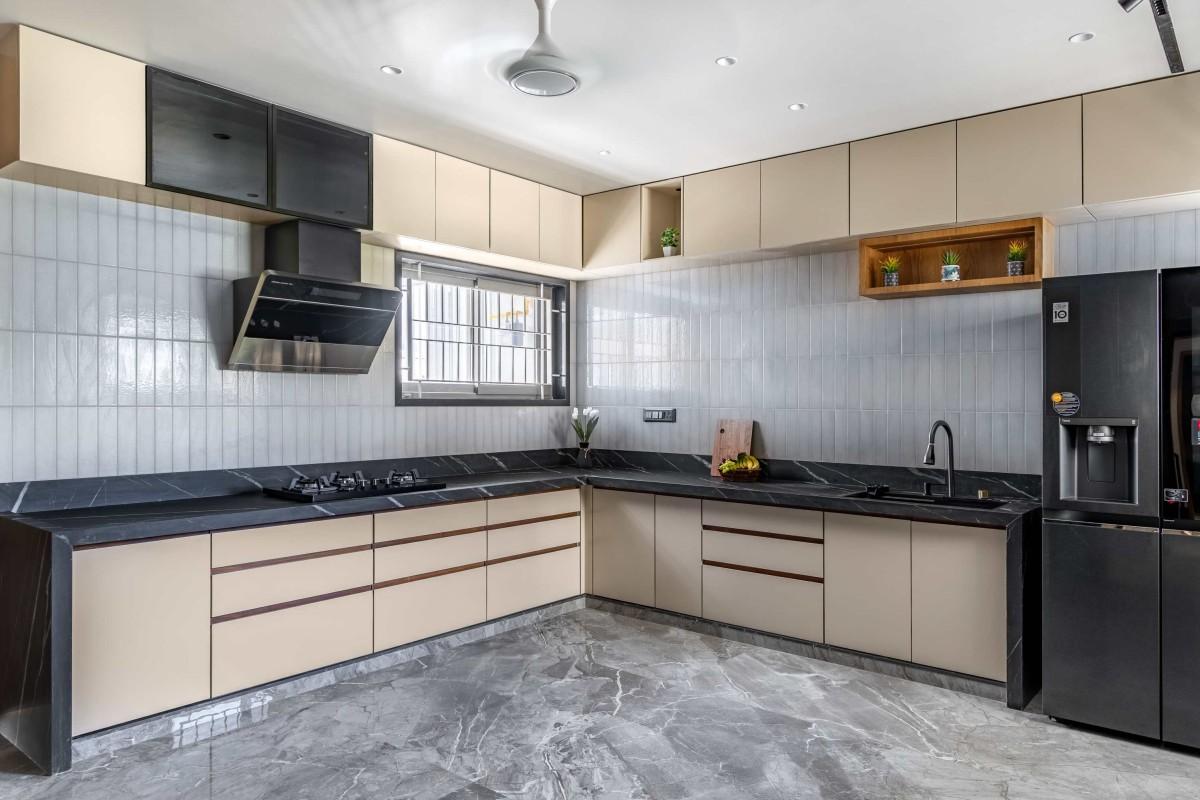
The main components of a modular kitchen are the cabinets (base, wall, and tall units), the countertop, shutters, and hardware like channels, hinges, and handles that hold each unit together. Beyond these basics, most kitchens also include baskets, drawers, a trolley, and a chimney or sink module, added depending on how much storage you need and the shape of your kitchen. read below guide for complete information regarding cost , designs and dimensions

What is a modular kitchen and how is it different from a traditional kitchen?

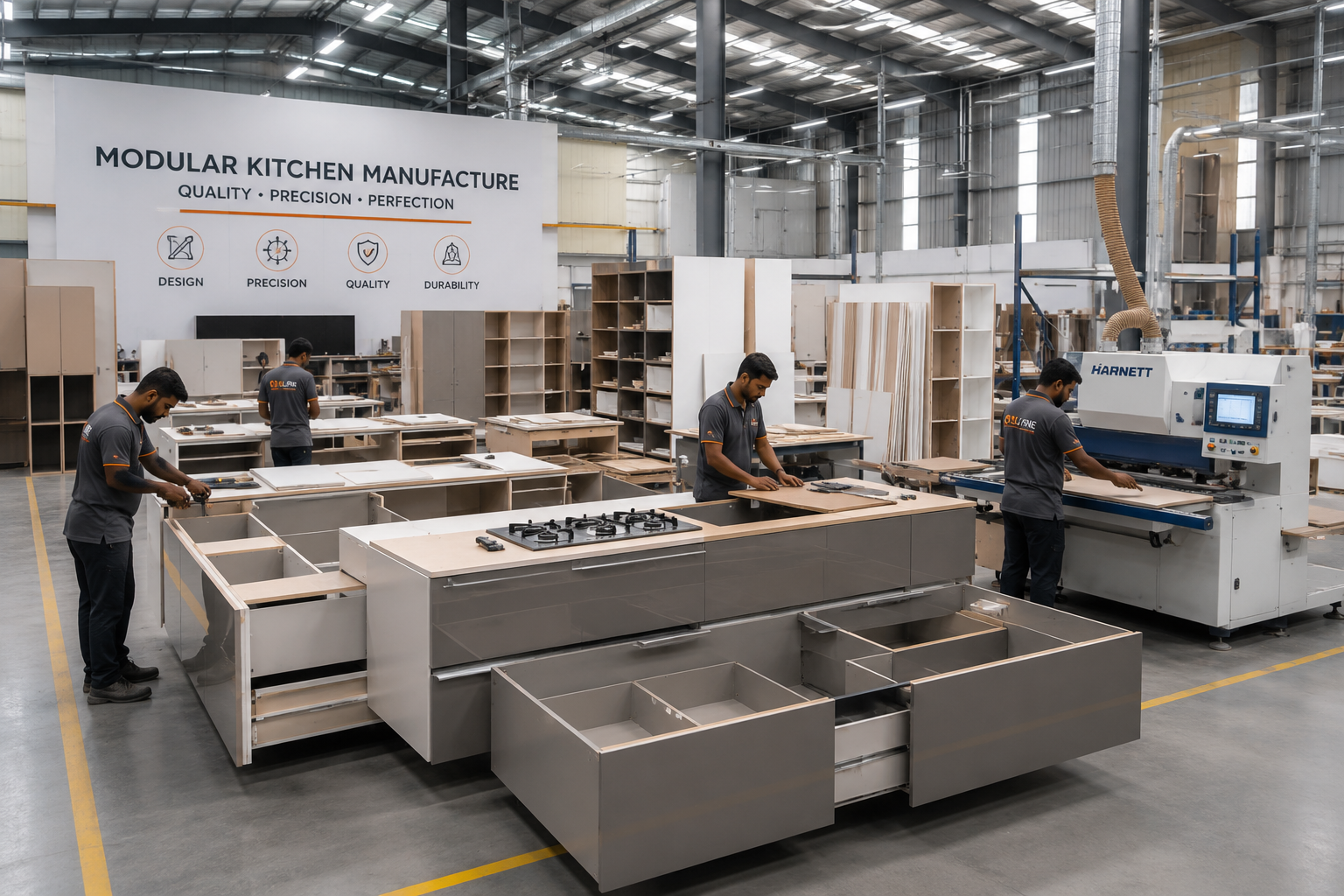
A modular kitchen differs from a traditional kitchen in how it’s made: modular units are built in a factory and simply installed at your home, while a traditional kitchen is constructed piece-by-piece on-site by a carpenter. Because of this, modular kitchens go up faster, create far less dust and mess during installation, and give you a finish that matches your chosen design exactly, without the manual variations common in on-site carpentry.

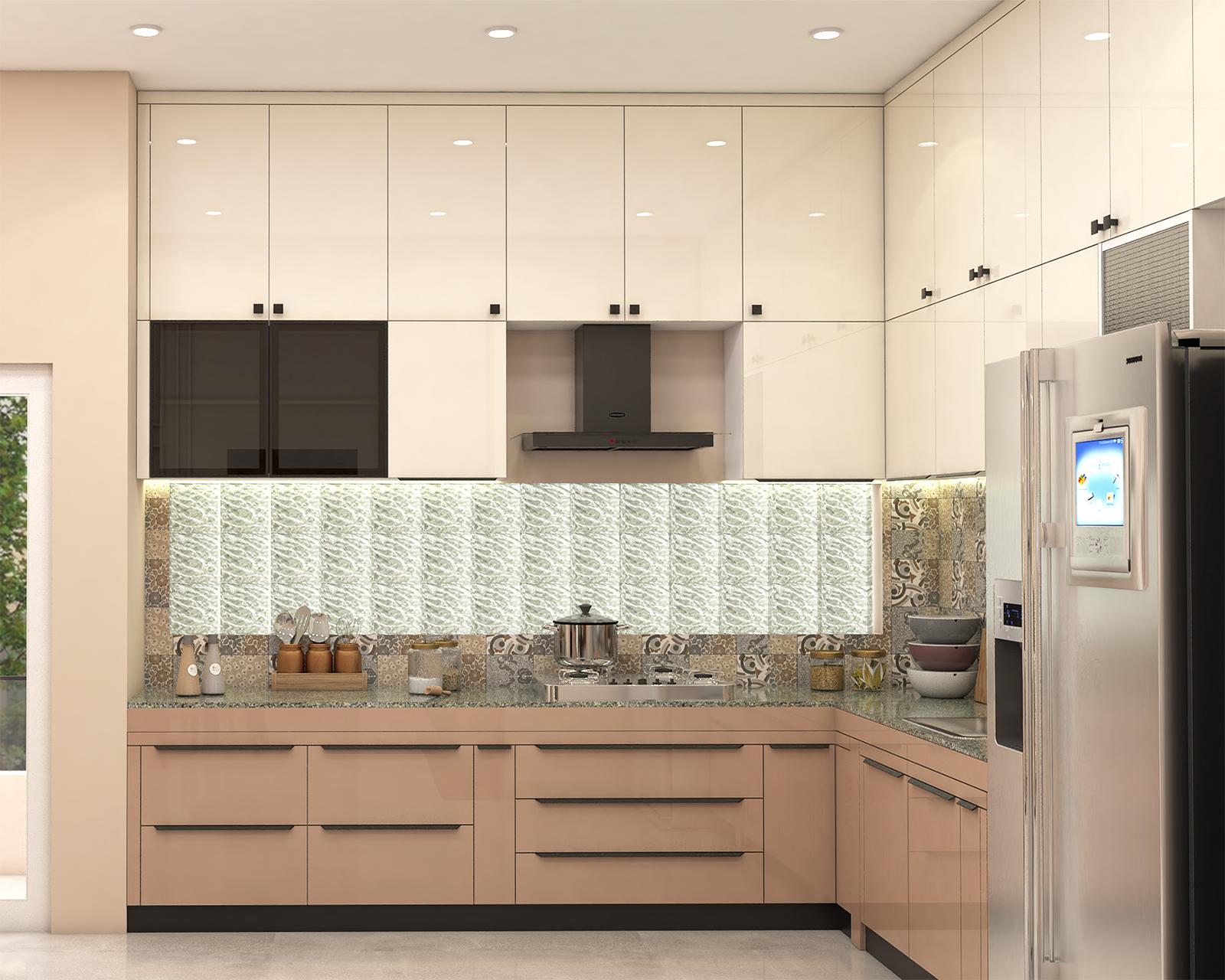
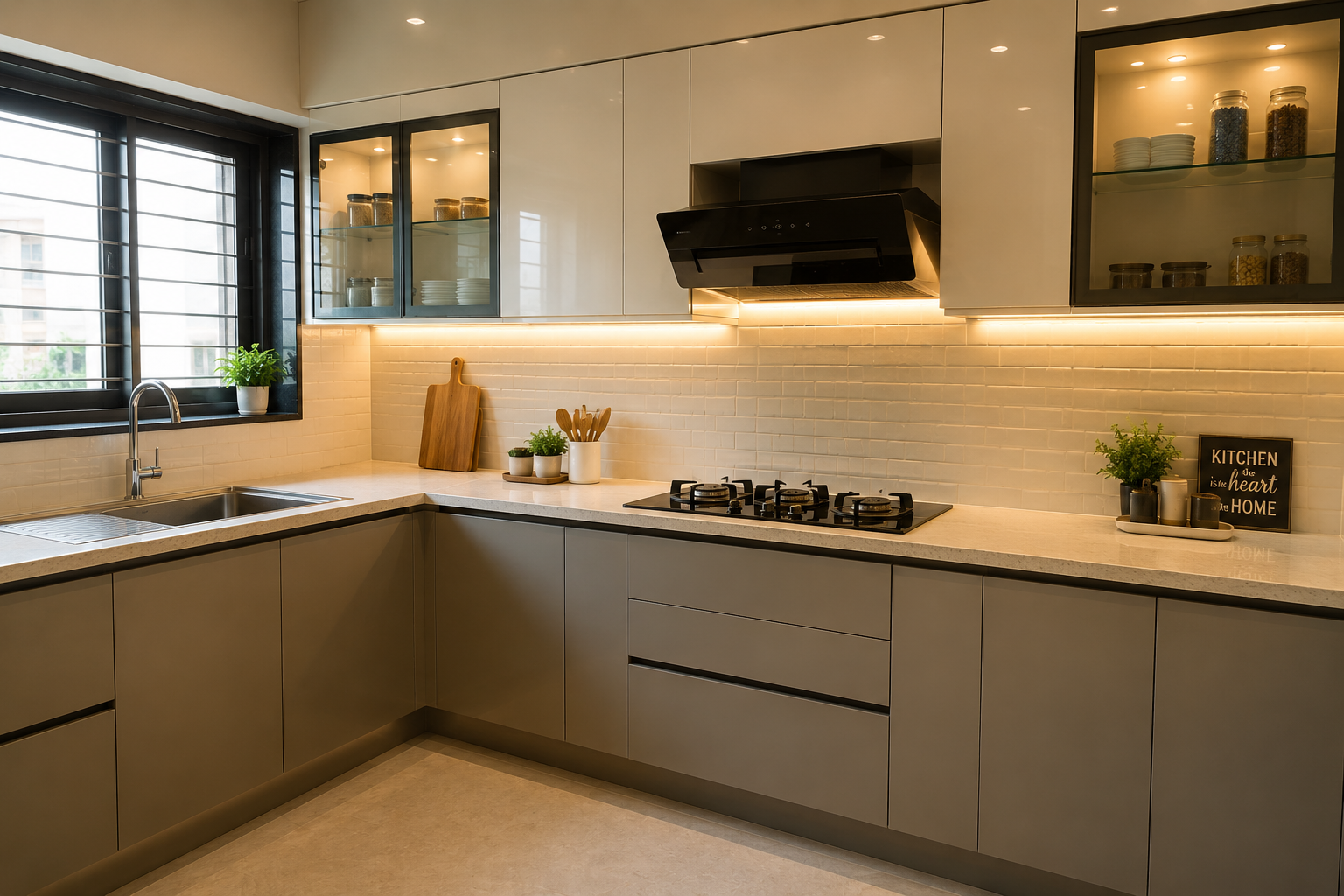
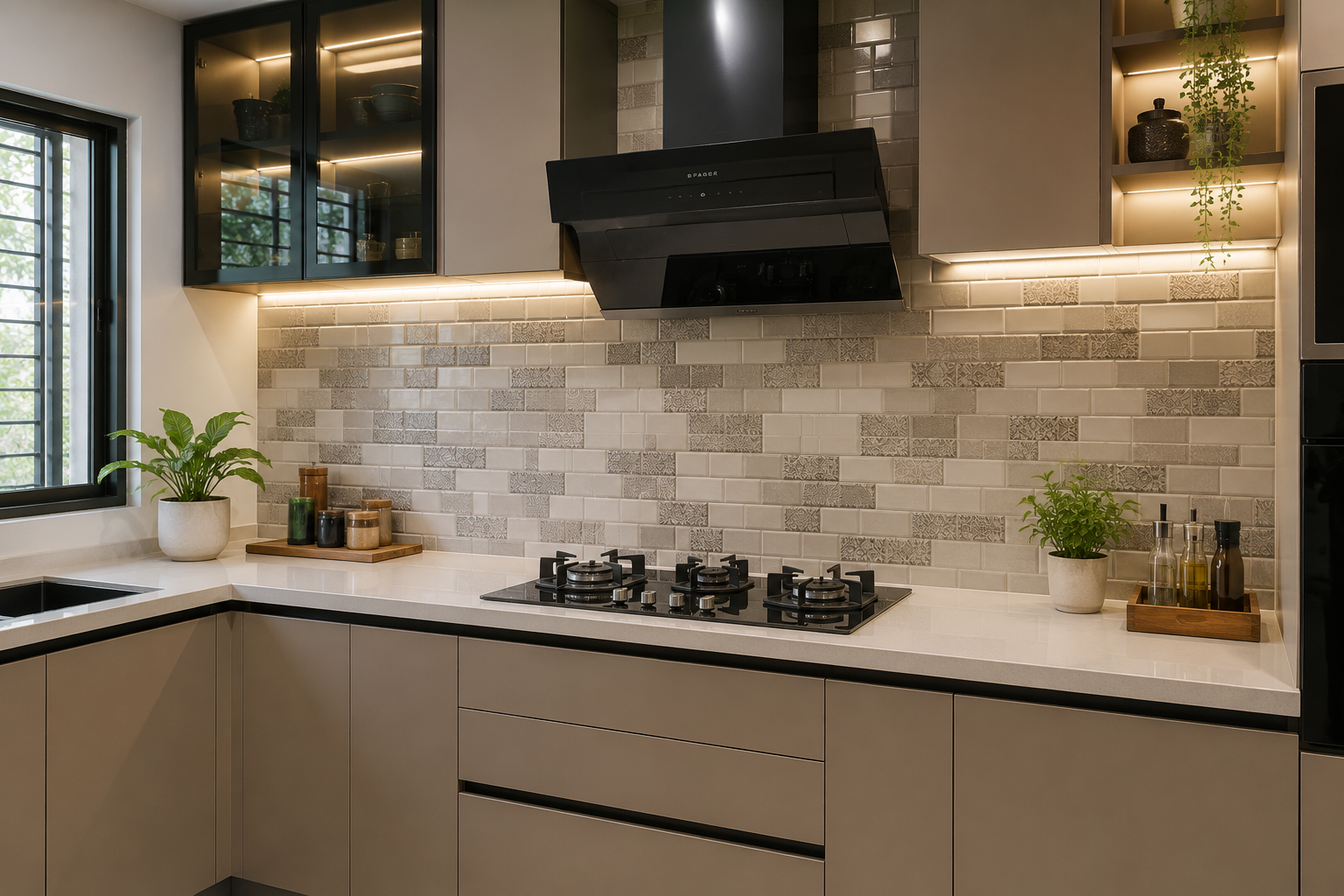
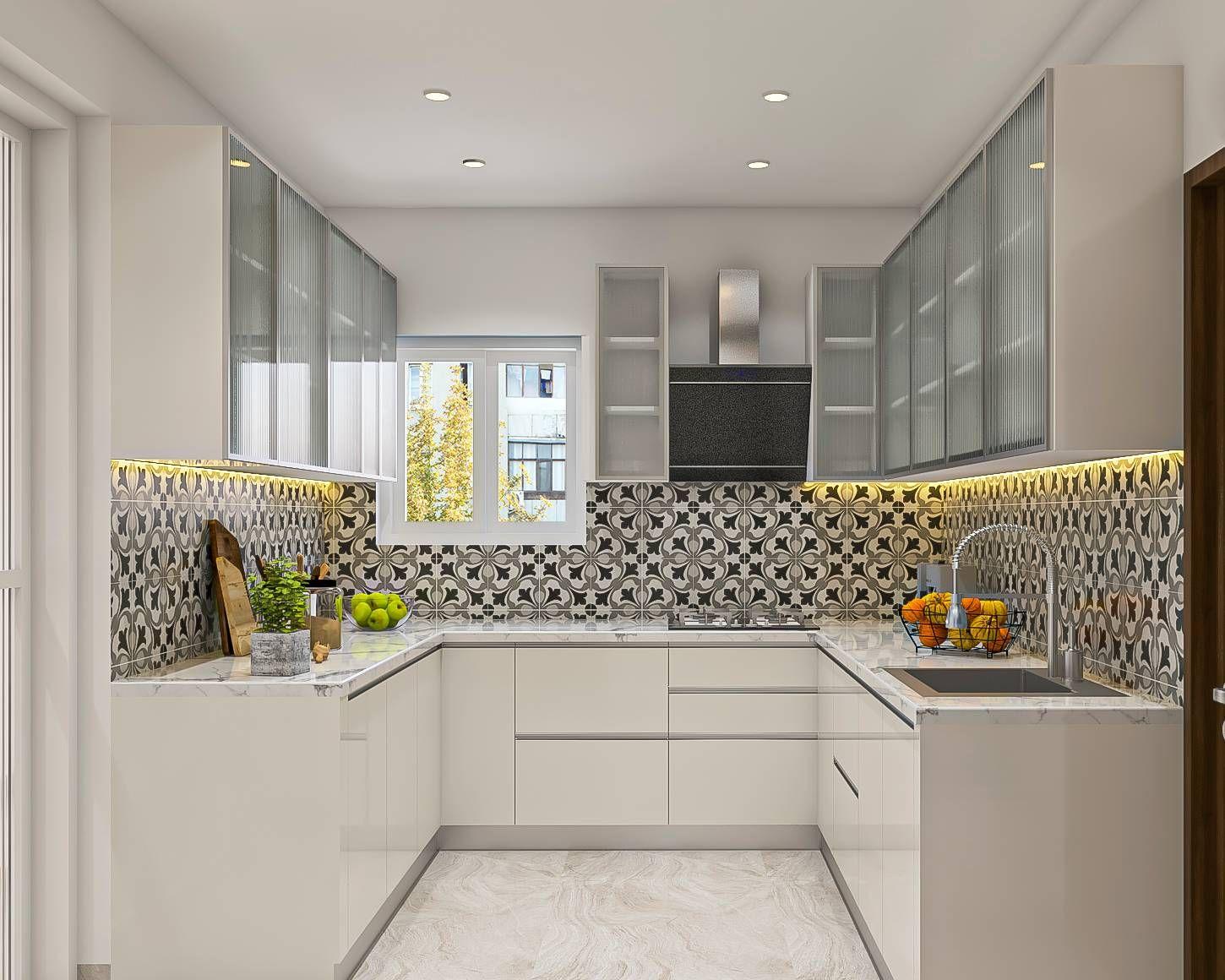
Backsplash

The backsplash protects kitchen walls from water, oil, and food stains. It also adds style to the overall kitchen design.

Popular backsplash materials include:

  • Ceramic Tiles
  • Glass Panels
  • Quartz
  • Granite
  • Decorative Laminates

A well-designed backsplash is easy to clean and complements the kitchen interiors.

SLE Pune provides modular kitchen solutions.

Drawer Systems

Modern drawer systems improve storage and accessibility. They allow homeowners to organize kitchen items efficiently.

Common drawer types include:

  • Cutlery Drawers
  • Tandem Drawers
  • Deep Storage Drawers
  • Bottle Pull-Out Drawers
  • Soft-Close Drawers

Premium drawer systems operate smoothly and increase the lifespan of the kitchen.

Introduction

First, understanding the main components of a modular kitchen helps you plan a functional and stylish cooking space. Additionally, each component serves a specific purpose. Moreover, choosing quality materials improves durability and performance.

Base Cabinets

Next, base cabinets form the foundation of a modular kitchen. In addition, they provide storage for utensils, cookware, and groceries. As a result, your kitchen stays organized and clutter-free.

Wall Cabinets

Similarly, wall cabinets make use of vertical space. Furthermore, they keep frequently used items within easy reach. Therefore, they improve convenience during daily cooking.

Tall Units

Besides, tall units provide extra storage for pantry items and appliances. For example, they can hold groceries, microwave ovens, and cleaning supplies. Consequently, they maximize storage in compact kitchens.

Countertop

Moreover, the kitchen countertop is the primary work area. However, choosing a durable material such as granite or quartz is important. Because these materials are strong, they last for many years.

Drawer Systems

In the same way, drawer systems improve accessibility. For instance, soft-close drawers reduce noise and protect the cabinet structure. Thus, they increase the lifespan of your kitchen.

Kitchen Accessories

Additionally, modular kitchen accessories improve organization. Such as bottle pull-outs, cutlery trays, and spice racks help utilize every inch of space. As a result, cooking becomes easier and more efficient.

Conclusion

Overall, every component plays an important role in creating a functional kitchen. Finally, selecting quality materials and professional installation ensures long-lasting performance. In conclusion, SLE Pune provides customized modular kitchen solutions designed for modern homes.

Aim for this distribution

Try to begin many paragraphs with transition words such as:

  • First
  • Next
  • Additionally
  • Moreover
  • Furthermore
  • Similarly
  • However
  • Therefore
  • As a result
  • For example
  • Finally
  • Overall
  • In conclusion

Corner Units

Kitchen corners often remain unused in traditional kitchens. Modular kitchens solve this problem using smart corner storage solutions.

Popular corner units include:

  • Magic Corner
  • Carousel Unit
  • LeMans Corner System
  • Corner Pull-Out Basket

These accessories utilize every inch of available space and improve accessibility.

Sink Unit

The sink unit is designed to accommodate the kitchen sink along with plumbing connections. It also provides storage for cleaning supplies, waste bins, and detergents.

Most sink cabinets use moisture-resistant materials to withstand water exposure and ensure long-term durability.

Pantry Unit

A pantry unit provides dedicated storage for groceries, cereals, spices, snacks, and packaged food items. It helps keep ingredients organized and easily accessible.

Tall pantry units with pull-out baskets offer excellent visibility and maximize storage capacity.

Kitchen Hardware

Kitchen hardware ensures smooth operation of cabinets and drawers.

Important hardware components include:

  • Hinges
  • Drawer Channels
  • Handles
  • Soft-Close Mechanisms
  • Lift-Up Systems
  • Cabinet Connectors

Choosing high-quality hardware improves durability and enhances the user experience.

Modular Kitchen Accessories

Accessories increase storage efficiency and make everyday cooking easier.

Common modular kitchen accessories include:

  • Cutlery Organizer
  • Plate Rack
  • Cup Holder
  • Spice Rack
  • Bottle Pull-Out
  • Waste Bin
  • Corner Basket
  • Pantry Basket
  • Detergent Holder
  • Rolling Shutter Unit

These accessories help maintain a clutter-free and functional kitchen.

Kitchen It improves indoor air quality and keeps cabinets cleaner.

Selecting the correct chimney size and suction capacity depends on the kitchen layout and cooking habits.

Kitchen Sink and Faucet

The kitchen sink and faucet are essential components of daily kitchen activities.

Lighting

Proper lighting improves visibility and enhances the appearance of the modular kitchen.

Common lighting options include:

  • LED Strip Lights
  • Under-Cabinet Lights
  • Ceiling Lights
  • Decorative Pendant Lights

Energy-efficient LED lighting creates a bright and comfortable cooking environment.

Materials Used in Modular Kitchens

The quality of materials directly affects the durability of a modular kitchen.

Popular materials include:

  • Marine Plywood
  • BWP Plywood
  • MDF
  • HDHMR Board
  • Particle Board

The finish may include acrylic, laminate, membrane, PU, or veneer depending on design preferences and budget.

Benefits of Modular Kitchen Components

A well-designed modular kitchen offers numerous advantages:

  • Better storage utilization
  • Organized workspace
  • Easy cleaning and maintenance
  • Attractive modern appearance
  • Faster installation
  • Long-lasting durability
  • Improved workflow
  • Easy customization
  • Efficient use of available space
  • Increased property value

Selecting quality components ensures that your kitchen remains functional and attractive for years.

What is a Modular Kitchen? Complete Guide with Design, Cost & Dimensions

A modular kitchen is built using pre-made ,pre designed cabinet and storage units that are manufactured in a factory, then assembled in your home like building blocks. Instead of a carpenter constructing cabinets on-site, each unit—drawers, shelves, baskets—is fitted into a planned layout, so you get more storage, less mess during installation, and a finish that looks the same as the design you picked. read below guide for complete information regarding cost , designs and dimensions

What is a modular kitchen and how is it different from a traditional kitchen?

A modular kitchen differs from a traditional kitchen in how it’s built: modular units are manufactured in a factory and simply assembled at your home, while a traditional kitchen is built brick-by-brick and cabinet-by-cabinet on-site by a carpenter. This factory-first approach means faster installation, less construction dust and mess at home, and a finished look that matches your original design exactly—something on-site carpentry often can’t guarantee due to manual variations.