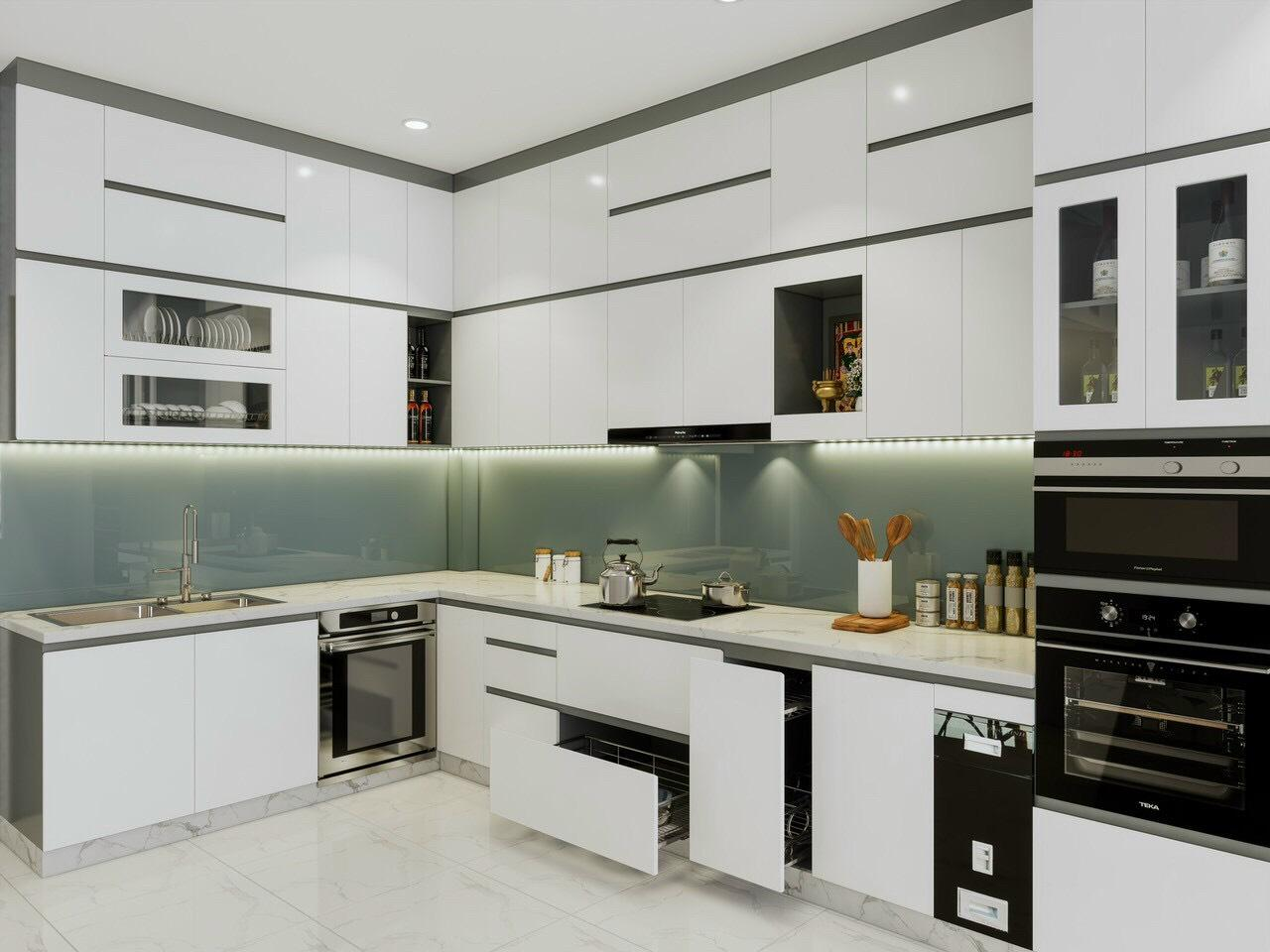
Dining Area Crockery Unit Designs in Pune
A dining area is not only a place where family and guests sit together for meals. It can also become an important part of the home’s interior design. A thoughtfully planned dining area crockery unit can provide organised storage for crockery, serving items, glasses and dining accessories while also adding a decorative element to the room.
SLE Pune provides interior solutions that can be customised according to the available space, storage requirements and preferred design style. A crockery unit can be planned as a compact cabinet, a wall-mounted display, a full-height storage unit, a combination of open shelves and closed cabinets, or a larger custom-built unit integrated with the dining room interior.
When planning a crockery unit for dining area in Pune, it is important to consider more than the appearance of the cabinet. The available wall width, room height, dining-table position, movement space, electrical points, lighting and the quantity of crockery should all be considered.
A well-planned unit can combine display, storage and interior aesthetics without making the dining space feel crowded.
What Is a Dining Area Crockery Unit?
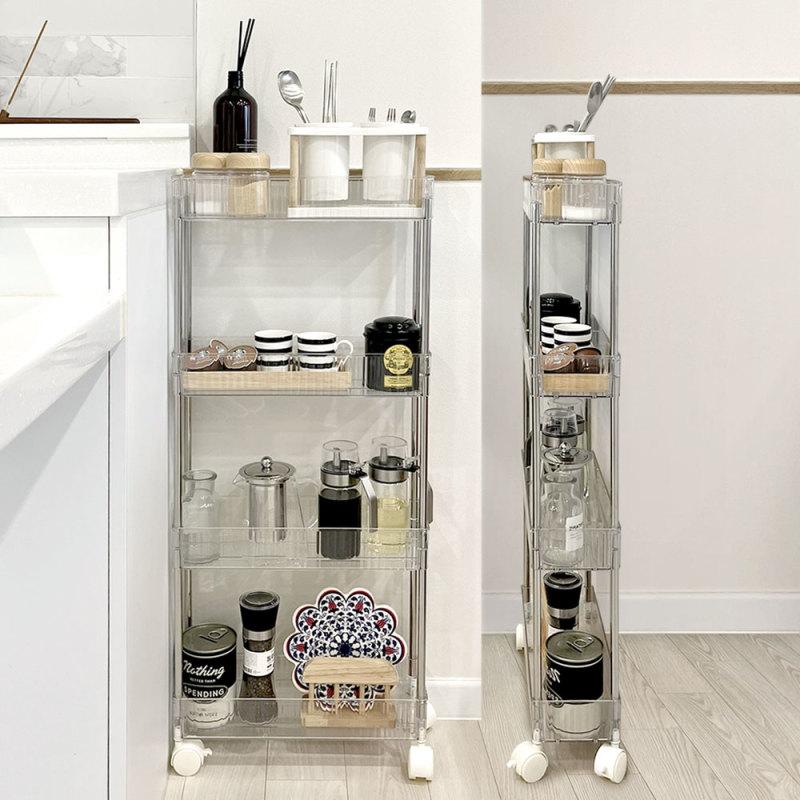
A crockery unit is a storage and display cabinet designed to organise dining-related items. It can be used for plates, bowls, serving dishes, glasses, cups, cutlery and other items depending on the cabinet configuration.
Modern crockery units can include a combination of:
- Closed cabinets
- Drawers
- Open shelves
- Glass shutters
- Display niches
- Tall storage
- Back panels
- Lighting
- Decorative sections
- Serving-item storage
The design can be adjusted according to the size and style of the dining area.
For example, a compact dining room may benefit from a wall-mounted unit with limited depth, while a larger dining space may accommodate a full-height cabinet with both display and closed storage.
Modern Dining Area Crockery Unit Designs
Modern crockery units generally focus on clean lines, organised storage and coordinated finishes.
A contemporary design can combine closed cabinets at the bottom with glass or open display sections above. This provides concealed storage for frequently used or less decorative items while keeping selected crockery visible.
Some homeowners prefer simple single-colour cabinets, while others choose two-tone combinations. Wood-inspired finishes can also be combined with neutral colours to create contrast.
The design should coordinate with the dining table, chairs, flooring, wall colour and other furniture.
A crockery unit should look like part of the dining-room interior rather than an independent cupboard placed against a wall.
Wall-Mounted Crockery Unit
A wall-mounted crockery unit is attached to the wall rather than occupying the entire floor area.
This can be useful in dining spaces where maintaining floor space is important.
A wall-mounted unit can include:
- Open shelves
- Closed cabinets
- Glass display sections
- Decorative niches
- Small drawers
- Back panels
- Integrated lighting
The unit can be designed according to the available wall width.
Because it does not occupy the same amount of floor area as a traditional cabinet, it can create a lighter visual appearance.
The wall structure and installation requirements should be assessed before installing a wall-mounted unit.
Full-Height Crockery Cabinet
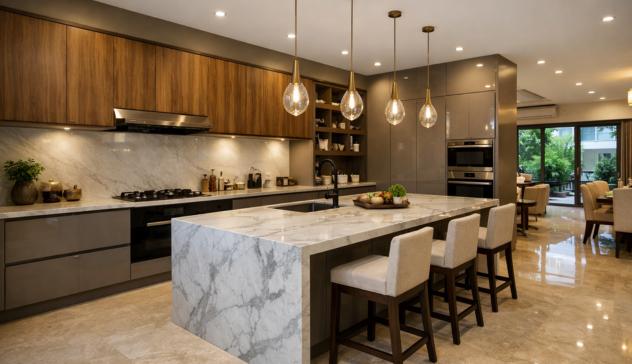
A full-height crockery cabinet uses the vertical height of the room to provide additional storage.
This type of unit can be useful when homeowners have a large collection of crockery, serving dishes, glasses or dining accessories.
A full-height unit may contain different storage zones. The lower section can use closed cabinets or drawers, while the upper section can incorporate glass doors or display shelves.
Vertical storage can also help use wall height efficiently without requiring a very wide cabinet.
Glass-Door Crockery Unit
Glass-door cabinets allow selected crockery and decorative pieces to remain visible while protecting them from dust.
Glass can be used across the complete cabinet or only within selected sections.
A glass-door unit can include internal lighting to highlight displayed items.
The amount of glass should be selected according to the desired balance between display and concealed storage.
For homes with children or high-traffic areas, the design should also consider safe access and suitable glass specification.
Crockery Unit with Open Display Shelves
Open shelves can provide an easy way to display decorative crockery, plants, artwork or dining accessories.
They can be combined with closed cabinets to create a balanced storage system.
For example:
Upper section: Open display shelves
Middle section: Glass-door display
Lower section: Closed cabinets and drawers
This combination can provide both visual interest and practical storage.
However, open shelves require regular cleaning because displayed items are exposed to dust.
Crockery Unit with Drawers and Closed Storage
Closed cabinets and drawers are useful for items that homeowners prefer to keep concealed.
Drawers can be used for:
- Cutlery
- Napkins
- Serving accessories
- Table mats
- Small dining items
Closed cabinets can store larger serving dishes, extra crockery and other items that do not need to remain on display.
The drawer size and cabinet configuration should be planned according to what will actually be stored.
Backlit Crockery Display Unit
Lighting can transform the appearance of a crockery display.
LED lighting can be incorporated into selected shelves or display sections to highlight crockery and decorative objects.
Possible lighting locations include:
- Inside glass cabinets
- Under display shelves
- Behind a feature panel
- Around decorative niches
- Below cabinets
The lighting colour and intensity should coordinate with the overall dining-room lighting.
Electrical planning should be completed before the final installation so that wiring and switches can be positioned appropriately.
Crockery Unit with Decorative Back Panel
A back panel can give the crockery unit a stronger visual identity.
Possible finishes include:
- Wood-inspired panels
- Textured surfaces
- Decorative laminates
- Neutral panels
- Patterned surfaces
- Mirror-style elements where suitable
The back panel can be selected to contrast with the cabinet or coordinate with other interior elements.
For a minimalist dining room, a simple panel with integrated lighting may be sufficient.
Small Dining Area Crockery Unit Designs
Small dining areas require careful planning because a large cabinet can make the room feel crowded.
For compact spaces, consider:
- Wall-mounted cabinets
- Shallow-depth storage
- Vertical cabinets
- Small glass display sections
- Floating shelves
- Compact drawers
- Combined display and storage units
The dining table and chairs should have sufficient space for comfortable movement.
A compact crockery unit should provide useful storage without interfering with the dining area.
Crockery Unit for Apartment Dining Areas
Many Pune apartments have dining spaces connected to living rooms or located in a compact section of the home.
In such homes, the crockery unit can also serve as a visual transition between spaces.
For an open-plan apartment, the unit can coordinate with:
- TV unit finishes
- Kitchen cabinets
- Dining furniture
- Wall panels
- Flooring
- Lighting
- Living-room furniture
This creates continuity between different parts of the home.
A crockery unit can also provide additional storage without requiring a separate dining-room storage room.
Custom Crockery Unit Design in Pune
Every dining area has different dimensions and requirements. A custom crockery unit can therefore be designed around the actual available space.
SLE Pune can plan the unit according to:
- Wall dimensions
- Ceiling height
- Dining table position
- Storage requirements
- Preferred cabinet style
- Colour preferences
- Display requirements
- Lighting
- Hardware
- Overall home interior
Customisation can also help when the dining wall has windows, doors, columns or other architectural features that affect cabinet placement.
The objective is to make the unit fit the room rather than forcing a standard-size cabinet into an unsuitable space.
Crockery Unit Materials and Finishes
The material and finish of a crockery unit influence both its appearance and maintenance requirements.
Depending on the project, homeowners may consider different cabinet and surface options.
Popular design directions can include:
Wood-Inspired Finishes
Wood-inspired surfaces can create a warm and natural appearance and can coordinate with dining furniture.
Neutral Finishes
White, beige, grey and other neutral shades can create a clean appearance and can work with different interior styles.
Two-Tone Designs
Combining two finishes can create visual contrast.
For example, a darker lower cabinet can be combined with a lighter upper section.
Gloss Finishes
Gloss surfaces can create a reflective appearance and may work well in contemporary interiors.
Matte Finishes
Matte surfaces can provide a softer and understated appearance.
The right finish depends on the overall interior concept and maintenance preferences.
Crockery Storage Planning
Storage should be planned according to the items the family actually uses.
Before finalising a crockery unit, consider:
- Number of plates
- Bowls
- Serving dishes
- Glasses
- Cups
- Cutlery
- Serving spoons
- Table accessories
- Decorative crockery
- Extra dining items
Frequently used items should be easy to access.
Less frequently used items can be placed in higher or deeper storage sections.
A well-organised cabinet can reduce clutter and make it easier to find dining accessories.
Crockery Unit with Dining Area Interior Design
The crockery unit should coordinate with the rest of the dining interior.
For example, if the dining area has wooden furniture, a wood-inspired cabinet finish may create visual continuity.
If the dining space uses a contemporary neutral colour palette, the crockery unit can use similar tones.
Wall lighting, ceiling lights and cabinet lighting can also be coordinated.
The dining table should remain the visual and functional centre of the room, while the crockery unit supports storage and interior aesthetics.
Crockery Unit and Dining Room Lighting
Lighting can be used to highlight the crockery unit without making it visually overwhelming.
A combination of general room lighting and cabinet lighting can provide both functionality and decoration.
Possible options include:
- LED strip lighting
- Shelf lighting
- Cabinet lighting
- Wall lights
- Ceiling lighting
- Decorative pendant lighting
The lighting should provide sufficient visibility for accessing the cabinet and complement the overall dining-room atmosphere.
Crockery Unit with Storage for Dining Accessories
A crockery cabinet can be designed to store more than plates and glasses.
Depending on the available space, it can accommodate:
- Table mats
- Napkins
- Serving trays
- Cutlery
- Bowls
- Cups
- Glasses
- Serving dishes
- Decorative items
- Extra dining accessories
Different cabinet sections can be assigned to different categories to make organisation easier.
Crockery Unit Design for 1 BHK, 2 BHK and 3 BHK Homes
1 BHK Homes
A compact wall-mounted or shallow-depth crockery unit may be appropriate for a smaller dining area.
2 BHK Homes
A medium-sized unit can combine closed storage, drawers and display sections depending on the available wall space.
3 BHK Homes
Larger homes may provide space for full-height crockery cabinets, larger display units or integrated dining-room storage.
However, the number of bedrooms does not determine the cabinet size. The actual dining-area dimensions and storage requirements should guide the design.
How to Choose the Right Crockery Unit
Consider the following before selecting a crockery unit:
Measure the Wall
The available width and height determine the possible cabinet dimensions.
Consider Dining Table Placement
The unit should not obstruct movement around the dining table.
Plan Storage
Think about what needs to be stored before deciding how many cabinets, drawers and shelves are required.
Choose Display Areas
Decide which crockery or decorative pieces should remain visible.
Select Materials
Choose finishes that coordinate with the home’s interior and suit the expected usage.
Consider Lighting
If glass displays or open shelves are planned, lighting can enhance their appearance.
Coordinate with Other Interiors
The crockery unit should complement the kitchen, living room and dining furniture.
SLE Pune Crockery Unit Design Process
SLE Pune can approach a custom crockery unit as part of a broader interior project.
1. Requirement Discussion
The customer’s storage and design requirements are discussed.
2. Space Assessment
The dining wall and surrounding space are considered.
3. Design Planning
Cabinet configuration, display sections, drawers, shelves and storage are planned.
4. Material and Finish Selection
Suitable finishes and hardware options are discussed.
5. Design Confirmation
The proposed configuration and specifications are reviewed.
6. Manufacturing
Approved components are prepared according to the confirmed design.
7. Installation
The unit is installed according to the planned arrangement and site requirements.
8. Final Inspection
The completed installation is checked against the confirmed requirements.
Why Choose a Custom Dining Area Crockery Unit?
A custom unit can provide several practical advantages:
- Better use of available wall space
- Storage according to actual requirements
- Flexible cabinet configuration
- Coordinated interior appearance
- Custom display areas
- Integrated lighting options
- Combination of open and closed storage
- Design coordination with dining furniture
The objective is not simply to create a large cabinet. The unit should provide useful storage while fitting naturally into the dining area.
Crockery Unit Design Trends for Modern Homes
Modern dining interiors often combine storage with display.
A contemporary crockery unit may feature a simple cabinet structure with selected open shelves, glass sections and concealed storage.
Minimal handles, clean surfaces and coordinated finishes can create a streamlined appearance.
Another approach is to use a feature back panel with integrated lighting to create a display zone.
The design trend should not override practicality. A visually attractive cabinet should still provide convenient access to everyday dining items.
Get a Dining Area Crockery Unit in Pune
A well-planned crockery unit can improve both the organisation and appearance of a dining area. Whether you have a compact apartment dining space or a larger dining room, the unit can be designed according to the available wall space, storage requirements and overall home interior.
SLE Pune can help you plan a dining area crockery unit in Pune with suitable cabinet configurations, display sections, storage, finishes, hardware and lighting considerations.
If you are planning a new home interior, renovating your dining area or simply looking for additional storage, consider a crockery unit that is designed around your actual requirements.
Contact SLE Pune to discuss your dining area crockery unit and home interior requirements in Pune.
What is a dining area crockery unit?
A dining area crockery unit is a cabinet or storage system designed to organise and display crockery, glasses, serving dishes, cutlery and other dining accessories.
What type of crockery unit is suitable for a small dining area?
Wall-mounted, vertical and shallow-depth units can be considered for compact dining spaces. The final design should maintain sufficient movement around the dining table.
Can a crockery unit have both open and closed storage?
Yes. A combination of open shelves, glass display sections, drawers and closed cabinets can provide both display and concealed storage.
Are glass-door crockery units suitable for dining rooms?
Glass-door units can be useful for displaying crockery while keeping it enclosed. The glass and cabinet design should be selected according to the project’s requirements.
Can LED lighting be added to a crockery unit?
Yes. Lighting can be incorporated into selected shelves, glass cabinets or display niches, subject to electrical planning.
Can I customise the size of a crockery unit?
Yes. A custom crockery unit can be planned according to the available wall dimensions, storage requirements, dining-table position and preferred design.
What can be stored in a crockery unit?
Depending on the design, it can store plates, bowls, cups, glasses, serving dishes, cutlery, trays, table accessories and decorative crockery.
What materials can be used for a crockery unit?
Different cabinet materials, laminates, acrylic-style surfaces, wood-inspired finishes, glass and other interior finishes can be considered according to the project.
How much does a crockery unit cost in Pune?
The cost depends on the unit’s size, materials, finishes, hardware, storage configuration, glass elements, lighting and installation requirements. A project-specific estimate requires the actual dimensions and specifications.
Can SLE Pune design a crockery unit as part of home interiors?
SLE Pune can discuss crockery-unit requirements as part of a broader home interior project, including storage, finishes, lighting and coordination with the dining area.