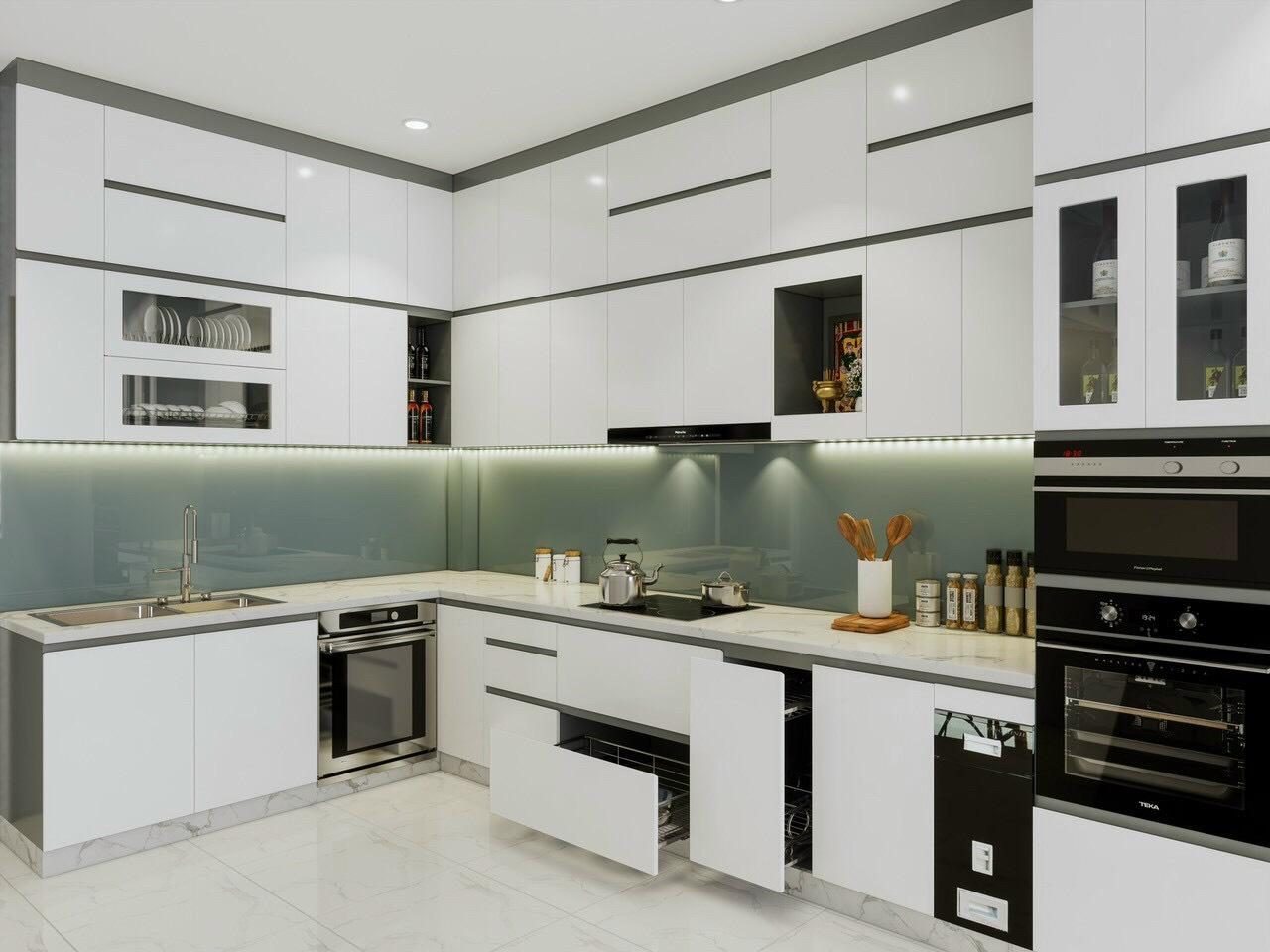
Dining Table Crockery Cabinet in Pune
A dining table is an important part of a home’s dining space, but the area around it also needs practical storage. A thoughtfully designed dining table crockery cabinet can provide an organised place for plates, bowls, glasses, serving dishes, cutlery and dining accessories while complementing the overall interior.
SLE Pune can help plan custom dining storage solutions according to the available wall space, dining-table arrangement, storage requirements and preferred interior style. A crockery cabinet can be designed as a wall-mounted unit, full-height cabinet, glass-door display, combination storage unit or a custom cabinet integrated into the dining area.
The right cabinet is not simply about adding storage. Its size, depth, opening style, internal layout, finish, lighting and position should work with the dining table and the movement space around it.
For apartments and homes in Pune, where dining areas can vary considerably in size, customised planning can help make better use of the available space.
What Is a Dining Table Crockery Cabinet?
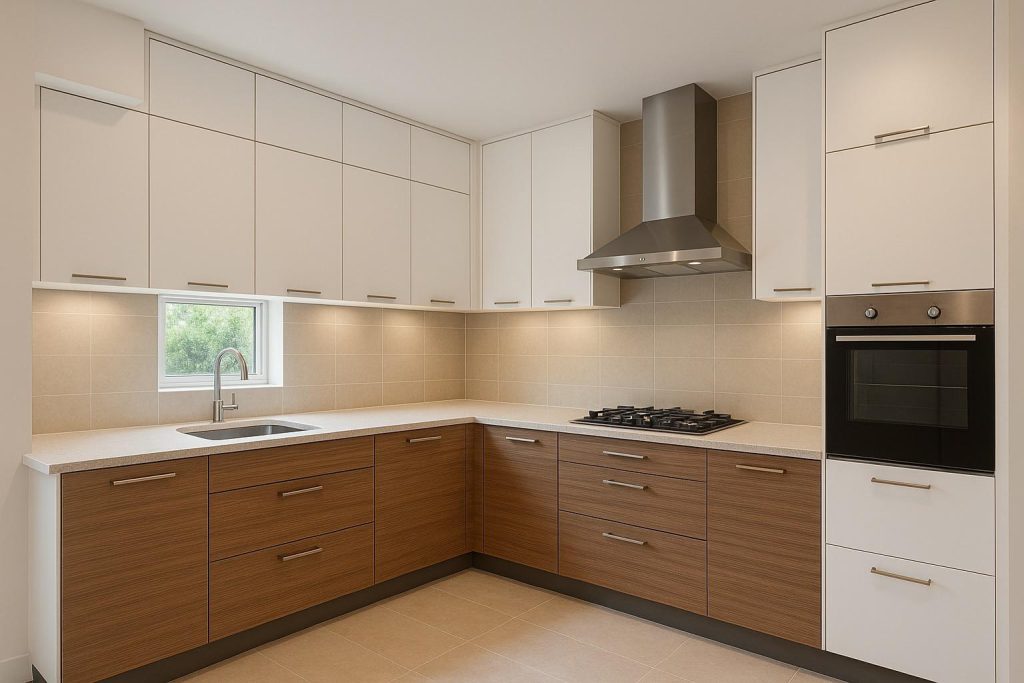
A dining table crockery cabinet is a storage cabinet positioned near or around the dining table to store and display dining-related items.
Depending on the design, it can include:
- Closed cupboards
- Drawers
- Open shelves
- Glass shutters
- Display niches
- Tall storage sections
- Serving-item storage
- Cutlery drawers
- Decorative sections
- Integrated lighting
The cabinet can be designed around the family’s actual storage requirements.
For example, everyday plates and bowls can be stored in an easily accessible section, while decorative crockery can be displayed behind glass doors. Serving trays and larger dishes can be accommodated in wider or deeper compartments.
Modern Dining Table Crockery Cabinet Designs
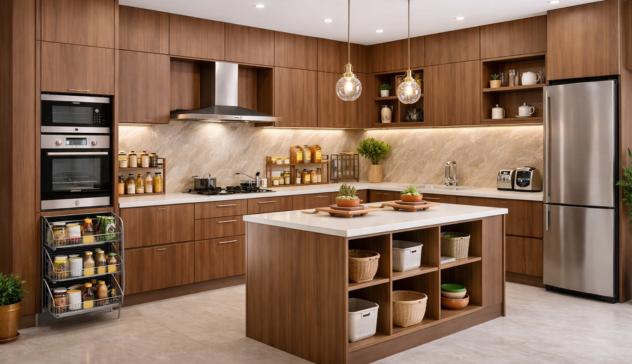
Modern crockery cabinets focus on clean lines, practical storage and coordination with the surrounding interior.
A popular approach is to combine closed lower cabinets with open shelves or glass display sections above. This creates a combination of concealed storage and visible display.
Another option is a full-height cabinet with different internal sections for crockery, serving items and decorative pieces.
The exterior finish can be selected to coordinate with the dining table, chairs, flooring, wall colour and other furniture.
A modern cabinet does not have to be visually complicated. Simple surfaces, carefully planned proportions and suitable lighting can create an organised appearance.
Crockery Cabinet Near the Dining Table
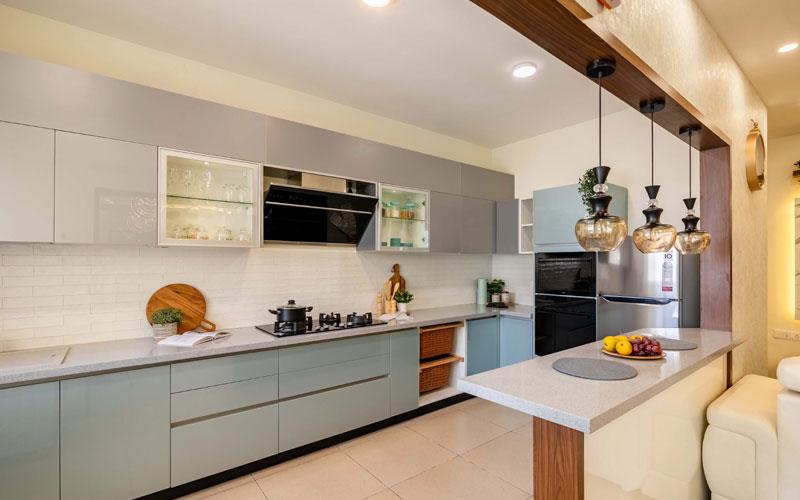
The position of the cabinet is an important part of the design.
A cabinet located close to the dining table can make frequently used crockery easier to access. However, it should not interfere with chairs, walking paths or doors.
Before installation, consider:
- Distance from the dining table
- Chair movement
- Walking clearance
- Door openings
- Windows
- Electrical points
- Wall dimensions
- Cabinet depth
The objective is to make the cabinet convenient without making the dining area feel crowded.
Wall-Mounted Dining Crockery Cabinet
A wall-mounted crockery cabinet can be considered when floor space is limited.
Because the main cabinet is positioned on the wall, the design can maintain more visible floor area underneath.
A wall-mounted cabinet may include:
- Closed cabinets
- Glass doors
- Open shelves
- Decorative niches
- Small drawers
- Back panels
- LED lighting
This style can work particularly well in compact dining spaces.
The wall should be assessed for suitable installation, and the cabinet should be designed according to the actual wall structure and dimensions.
Full-Height Dining Crockery Cabinet
A full-height cabinet uses vertical wall space to create additional storage.
This can be useful for families that have a larger collection of crockery or require additional dining storage.
The cabinet can be divided into several zones.
Lower Storage
The lower portion can contain closed cabinets or drawers for heavier and frequently handled items.
Middle Display
The middle section can include glass shutters or open shelves for crockery and decorative pieces.
Upper Storage
The upper section can be used for less frequently accessed items.
A full-height design can provide significant storage without requiring the cabinet to extend widely across the wall.
Glass-Door Crockery Cabinet
Glass doors provide a display area while keeping crockery enclosed.
A glass-door cabinet can be used to display:
- Decorative plates
- Glassware
- Cups
- Serving dishes
- Bowls
- Special crockery
Glass can be used for the complete cabinet or selected sections.
Internal lighting can be added to create a display effect.
The cabinet design should also consider safe access and suitable glass specifications for the intended application.
Crockery Cabinet with Drawers
Drawers can make smaller dining accessories easier to organise.
A drawer section can be used for:
- Cutlery
- Napkins
- Table mats
- Serving spoons
- Small accessories
- Dining tools
Drawer dimensions should be planned according to the items that will be stored.
Instead of creating unnecessarily large drawers, a combination of different drawer sizes can make storage more organised.
Open Shelves and Closed Cabinets
Combining open shelves with closed cabinets provides flexibility.
Open shelves can display selected decorative pieces, while closed cabinets keep everyday or less attractive items concealed.
A possible arrangement could include:
Top: Open display shelves
Middle: Glass-door cabinet
Bottom: Closed storage and drawers
This design can create visual variety while maintaining practical storage.
Open shelving does require more regular cleaning because displayed items remain exposed to dust.
Backlit Dining Crockery Cabinet
Lighting can make a crockery cabinet an attractive feature of the dining room.
LED lighting can be incorporated into:
- Glass display cabinets
- Open shelves
- Display niches
- Back panels
- Shelf edges
A backlit section can highlight decorative crockery and create a focal point.
Lighting should be planned along with the electrical layout. Wiring, switches and power points should be considered before installation.
Dining Table Crockery Cabinet with Display Niche
A display niche can create a dedicated space for decorative items.
The niche can be used for:
- Decorative crockery
- Small artwork
- Plants
- Collectibles
- Serving pieces
A niche does not need to occupy the entire cabinet. A small, strategically positioned display area can be enough to add visual interest.
Storage Planning for a Crockery Cabinet
Before designing the cabinet, make a list of the items that need to be stored.
For example:
Everyday Crockery
Plates, bowls and cups should ideally be placed in easily accessible storage.
Glassware
Glasses can be stored in dedicated shelves or glass-door sections.
Serving Items
Large serving plates, bowls and trays may require wider compartments.
Cutlery
Drawers can be designed for spoons, forks, knives and other small dining accessories.
Decorative Crockery
Special crockery can be displayed behind glass or in an open display section.
Good storage planning helps avoid unused cabinet space and unnecessary clutter.
Small Dining Table Crockery Cabinet Designs
A small dining space requires careful cabinet planning.
Instead of installing a deep floor-standing cabinet, homeowners can consider:
- Wall-mounted cabinets
- Vertical storage
- Shallow-depth cabinets
- Floating shelves
- Compact glass displays
- Narrow tall cabinets
- Combination storage units
The dining table should remain comfortable to use, with adequate space for chairs and movement.
A smaller cabinet with efficient storage can often be more suitable than a large cabinet that overwhelms the room.
Dining Crockery Cabinet for Apartments in Pune
Apartment layouts can vary significantly. Some homes have a dedicated dining room, while others have a dining table positioned between the kitchen and living room.
In an open-plan layout, the crockery cabinet can also help visually connect the dining area with the rest of the home.
The cabinet finish can coordinate with:
- Modular kitchen cabinets
- TV unit
- Living-room furniture
- Dining table
- Wall panels
- Flooring
- Interior colours
This approach creates a more consistent interior appearance.
Custom Dining Table Crockery Cabinet in Pune
A custom cabinet can be designed around the actual dimensions of the dining space.
SLE Pune can consider factors such as:
- Wall width
- Wall height
- Dining table size
- Storage quantity
- Cabinet depth
- Display requirements
- Glass sections
- Drawer requirements
- Lighting
- Material finish
- Hardware
- Overall interior design
Custom planning can also help accommodate walls with windows, columns, doors or other architectural elements.
Rather than selecting a cabinet first and trying to fit it into the room, the cabinet can be planned according to the room.
Materials and Finishes for Crockery Cabinets
The appearance and maintenance of a dining cabinet depend partly on the selected materials and finishes.
Common design directions include:
Wood-Inspired Finishes
Wood-inspired finishes can add warmth and coordinate with wooden dining tables.
Neutral Finishes
White, beige, grey and other neutral finishes can create a clean and understated appearance.
Two-Tone Cabinets
Two complementary finishes can create contrast between different sections.
Matte Finishes
Matte surfaces can provide a contemporary and subtle appearance.
Gloss Finishes
Gloss surfaces can add a reflective quality and can suit some modern interiors.
The appropriate finish should be selected based on the overall home interior, usage and maintenance preferences.
Dining Crockery Cabinet with Kitchen Coordination
If the dining table is located close to the kitchen, coordinating the crockery cabinet with the modular kitchen can create visual continuity.
The cabinet does not necessarily need to use exactly the same finish as the kitchen.
Instead, homeowners can use:
- Matching colours
- Complementary wood finishes
- Similar hardware
- Coordinated handles
- Similar accent materials
This can help create a connected transition between the kitchen and dining areas.
Lighting for Dining Crockery Cabinets
Lighting can improve both functionality and appearance.
Possible lighting options include:
- LED strip lights
- Internal cabinet lights
- Shelf lighting
- Display lighting
- Back-panel lighting
- Ceiling lighting around the cabinet
The lighting should not create excessive glare when people are sitting at the dining table.
The final lighting arrangement should be planned according to the cabinet configuration and overall room lighting.
How to Choose the Right Dining Table Crockery Cabinet
Before finalising your cabinet, consider these points.
1. Measure the Available Space
Measure the wall width, height and available depth.
2. Check Dining Movement
Make sure chairs can be pulled out comfortably and people can move around the table.
3. Identify Storage Requirements
List the crockery, glassware and dining accessories that need storage.
4. Decide What Should Be Displayed
Choose which items should remain visible and which should stay concealed.
5. Select the Cabinet Configuration
Choose between wall-mounted, floor-standing, full-height or combination designs.
6. Select Materials and Finishes
Coordinate the cabinet with the home’s existing interior.
7. Plan Lighting
If display lighting is required, plan the electrical points in advance.
8. Consider Maintenance
Select finishes and storage configurations that are practical for everyday use.
Dining Table Crockery Cabinet for 1 BHK, 2 BHK and 3 BHK
1 BHK Homes
A compact wall-mounted cabinet, vertical cabinet or shallow storage unit can work well where dining space is limited.
2 BHK Homes
A medium-sized cabinet can combine closed storage, drawers and display sections depending on the available wall.
3 BHK Homes
Larger dining areas may accommodate full-height storage, larger glass display sections or a more comprehensive dining storage system.
The cabinet size should ultimately depend on the actual room dimensions rather than the number of bedrooms.
SLE Pune Dining Cabinet Design Process
SLE Pune can approach the dining table crockery cabinet as part of a coordinated interior project.
Requirement Discussion
Understand how the customer uses the dining area and what needs to be stored.
Space Planning
Consider the dining table, wall dimensions, movement and surrounding furniture.
Design Development
Plan cabinet sections, drawers, shelves, glass doors and display areas.
Material Selection
Select suitable finishes and hardware according to the project requirements.
Design Confirmation
Review the proposed configuration and specifications before production.
Manufacturing
Prepare the cabinet components according to the confirmed design.
Installation
Install the cabinet according to the approved design and site conditions.
Final Check
Review the completed cabinet and its functionality.
Benefits of a Well-Planned Dining Crockery Cabinet
A properly planned cabinet can provide:
- Better organisation
- Convenient access to crockery
- Additional dining storage
- Dedicated display space
- Concealed storage
- Efficient use of vertical space
- Better coordination with the dining interior
- Custom storage according to family requirements
The key is to balance appearance, storage and usability.
Why Customisation Matters
Every dining space is different. A standard cabinet may not make the best use of an unusually wide wall, narrow wall, corner or limited-height space.
Custom design allows the cabinet to respond to the actual room.
For example, a narrow wall may be better suited to a vertical cabinet, while a wide dining wall can accommodate a combination of display and closed storage.
Customisation also allows homeowners to choose the number and type of shelves, drawers, cabinets and display sections.
Conclusion
A dining table crockery cabinet in Pune can combine practical storage with a well-coordinated dining-room interior. From compact wall-mounted cabinets to full-height storage systems, glass-door displays and custom combinations of open and closed storage, there are many ways to plan a cabinet according to the home’s requirements.
The right design should consider the dining table position, available wall space, storage needs, cabinet depth, materials, finishes, lighting and overall interior style.
SLE Pune can help plan dining storage solutions according to the available space and project requirements. Whether you are furnishing a new apartment, renovating an existing dining area or planning complete home interiors, a carefully designed crockery cabinet can provide useful storage while becoming an integrated part of the home’s interior.
Contact SLE Pune to discuss your dining table crockery cabinet and home interior requirements in Pune
What is a dining table crockery cabinet?
A dining table crockery cabinet is a storage and display cabinet positioned near the dining table for organising crockery, glassware, serving dishes and dining accessories.
Can a crockery cabinet be designed according to my dining-room size?
Yes. A custom cabinet can be planned according to the available wall width, height, depth and surrounding furniture.
Which crockery cabinet is suitable for a small dining area?
Wall-mounted, shallow-depth, vertical and compact combination cabinets can be considered for smaller dining spaces.
Can I add glass doors to a dining crockery cabinet?
Yes. Glass doors can be incorporated into selected sections or across the cabinet depending on the desired display and storage arrangement.
Can LED lights be added inside a crockery cabinet?
Yes. LED lighting can be planned inside display sections, glass cabinets, shelves or niches, subject to suitable electrical planning.
What can be stored in a dining crockery cabinet?
Plates, bowls, cups, glasses, serving dishes, trays, cutlery, napkins, table accessories and decorative crockery can be stored depending on the cabinet design.
Should the crockery cabinet match the dining table?
It does not have to match exactly. Complementary colours, wood finishes, hardware and materials can create a coordinated appearance.
Can the crockery cabinet be integrated with the kitchen?
Yes. If the dining area is close to the kitchen, the cabinet can be designed with complementary colours and finishes to create visual continuity.
How much does a dining crockery cabinet cost in Pune?
The cost depends on dimensions, materials, finishes, hardware, storage configuration, glass, lighting and installation requirements. A project-specific estimate requires the actual specifications.
Can SLE Pune design a custom dining table crockery cabinet?
SLE Pune can discuss custom dining storage requirements and plan the cabinet according to the available space, storage needs and overall interior design requirements.