Introduction
Modular Kitchen Factory Setup Cost in India depends on factors like factory size, machinery, labor, raw materials, and location. This guide explains the complete setup cost, investment, and business requirements.
Modular Kitchen Factory Setup Cost depends on factory size, machinery, automation, labor, and production capacity. This complete guide explains investment, raw materials, licenses, machines, ROI, and profit margin for starting a modular kitchen manufacturing business in India.
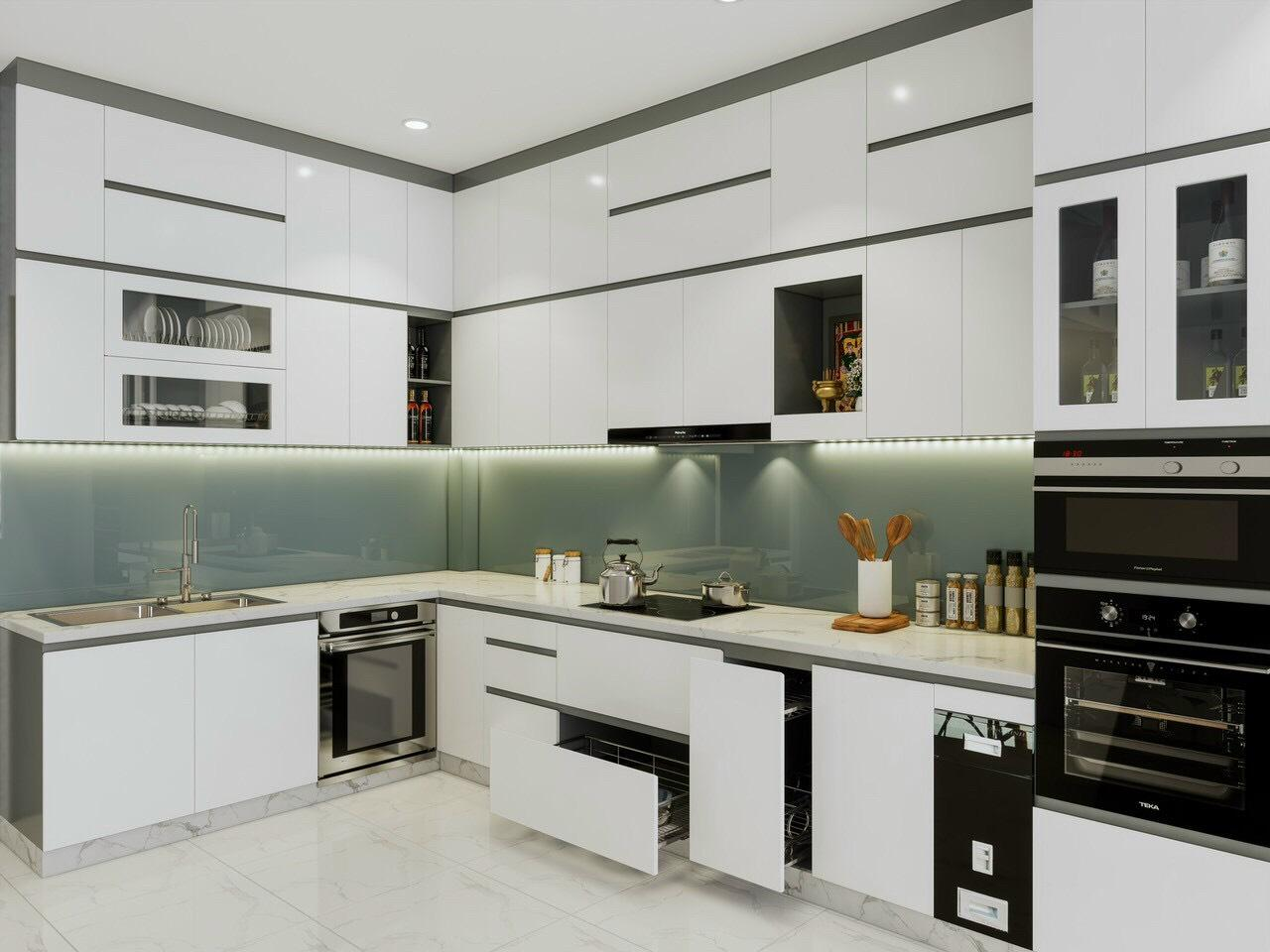
The modular kitchen industry is growing rapidly across India due to increasing demand for modern homes, apartments, villas, and commercial interiors. With more homeowners choosing factory-made modular kitchens over traditional carpenter work, setting up a modular kitchen factory has become a profitable business opportunity.
If you are planning to start a modular kitchen manufacturing unit in pun or anywhere in India, understanding the complete setup cost is essential before investing. This guide explains machinery, infrastructure, manpower, investment, production process, and expected profits. Factory investment varies significantly depending on automation level, machinery, and production capacity.
What is a Modular Kitchen Factory?
A modular kitchen factory is a manufacturing facility where kitchen cabinets, shutters, drawers, wardrobes, TV units, and customized furniture are produced using advanced woodworking machinery.
Unlike traditional carpentry, factory production ensures:
- Higher precision
- Faster production
- Better quality
- Uniform finishing
- Less material wastage
- Faster installation
Why Start a Modular Kitchen Factory?
Growing demand is driven by urban housing, premium interiors, and factory-finished furniture. Modern manufacturing also improves consistency and productivity.
Major advantages include:
- Growing real estate market
- High profit margins
- Increasing modular furniture demand
- salable business
- Better customer satisfaction
- Faster delivery
- Opportunity for dealer networks
- Expansion into wardrobes and office furniture
Modular Kitchen Factory Setup Cost in India – Machinery Cost
| Factory Type | Estimated Investment |
|---|---|
| Small Factory | ₹15–25 Lakhs |
| Medium Factory | ₹30–60 Lakhs |
| Large Automated Factory | ₹70 Lakhs–₹2 Crore+ |
Actual investment depends on:
- Factory size
- Machinery
- Automation level
- Production capacity
- Brand of machines
- Location
- Working capital
Machinery Required
| Machine | Approximate Cost |
|---|---|
| Sliding Panel Saw | ₹5–15 Lakhs |
| CNC Router | ₹8–25 Lakhs |
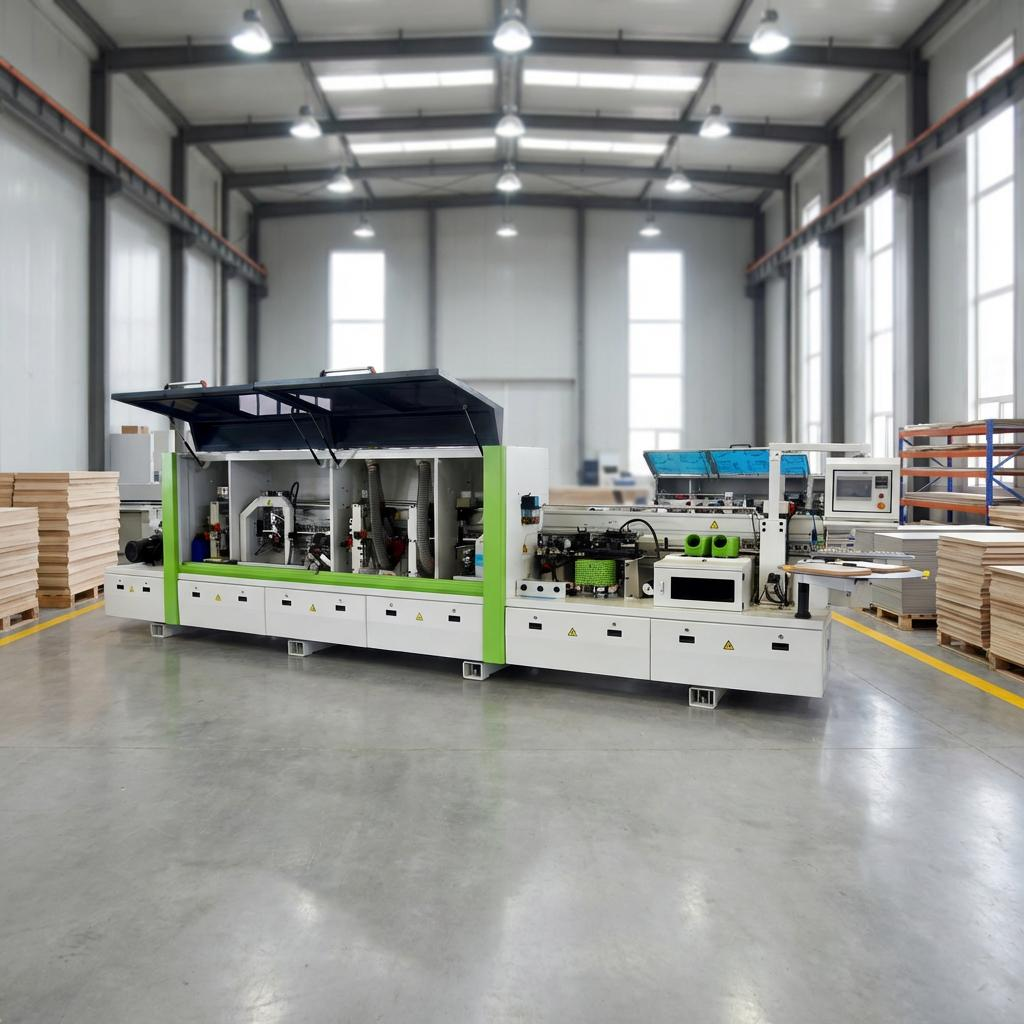
| Edge Banding Machine | ₹3–12 Lakhs |
| Multi Boring Machine | ₹2–8 Lakhs |
| Cold Press Machine | ₹1–5 Lakhs |
| Air Compressor | ₹80,000–₹2 Lakhs |
| Dust Collection System | ₹1–4 Lakhs |
| Hand Tools | ₹1–3 Lakhs |
| Computer & Design Software | ₹1–5 Lakhs |
Factory Space Requirement
Recommended area:
| Production Capacity | Factory Size |
|---|---|
| Small | 1,500–2,000 sq.ft |
| Medium | 3,000–5,000 sq.ft |
| Large | 6,000–10,000+ sq.ft |
Separate areas should be allocated for:
- Raw material storage
- CNC cutting
- Edge banding
- Assembly
- Finishing
- Packing
- Office
- Customer showroom
Land Requirement for Modular Kitchen Factory Setup Cost in India
Common materials include:
- BWP Plywood
- Marine Plywood
- MDF
- HDHMR
- Particle Board
- PVC Edge Band
- Laminates
- Acrylic Sheets
- PU Finish Materials
- Glass Panels
- Aluminium Profiles
- Hinges
- Drawer Channels
- Tandem Boxes
- Handles
- Screws
- Adhesives
- Hardware Accessories
Manufacturing Process
- Customer Requirement Collection
- Site Measurement
- 2D & 3D Kitchen Design
- Production Drawing
- Material Selection
- CNC Cutting
- Edge Banding
- Drilling
- Assembly
- Hardware Installation
- Quality Inspection
- Packaging
- Transportation
- Site Installation
- Final Inspection
Manpower Requirement Modular Kitchen Factory Setup Cost
| Position | Number |
|---|---|
| Factory Manager | 1 |
| Designer | 1–2 |
| CNC Operator | 1 |
| Machine Operator | 2 |
| Carpenter | 2–4 |
| Helper | 3–5 |
| Sales Executive | 2 |
| Installation Team | 2–4 |
Monthly Operating Expenses
| Expense | Approximate Cost |
|---|---|
| Factory Rent | ₹50,000–₹2,00,000 |
| Salaries | ₹2–8 Lakhs |
| Electricity | ₹30,000–₹1,50,000 |
| Raw Material | ₹5–20 Lakhs |
| Transportation | ₹20,000–₹1 Lakh |
| Marketing | ₹20,000–₹2 Lakhs |
| Maintenance | ₹10,000–₹50,000 |
Profit Margin
Typical gross margins depend on material quality, hardware, automation, and pricing strategy. Many manufacturers aim for approximately 20%–40% gross margins on projects, though actual profitability varies by business model and operating costs.
Factors affecting profits:
- Material selection
- Hardware brands
- Factory efficiency
- Labour productivity
- Wastage control
- Project size
- Customer segment
Investment Breakdown Table
| Investment Category | Estimated Cost |
|---|---|
| Machinery | ₹25–80 Lakhs |
| Factory Interior | ₹5–20 Lakhs |
| Electrical Work | ₹2–8 Lakhs |
| Office Setup | ₹2–10 Lakhs |
| Software | ₹1–5 Lakhs |
| Initial Raw Material | ₹5–20 Lakhs |
| Marketing | ₹1–5 Lakhs |
| Working Capital | ₹10–30 Lakhs |
Features Table Modular Kitchen Factory Setup Cost
| Feature | Benefit |
|---|---|
| CNC Precision | Accurate cutting |
| Factory Finish | Premium quality |
| Edge Banding | Moisture protection |
| Modular Design | Easy installation |
| Customized Sizes | Perfect fitting |
| Premium Hardware | Long life |
| Soft Close Systems | Noise-free operation |
| Fast Manufacturing | Quick delivery |
| Better Quality Control | Consistent products |
| Less Material Waste | Cost savings |
Comparison Table Modular Kitchen Factory Setup Cost
| Feature | Traditional Carpenter | Modular Kitchen Factory |
|---|---|---|
| Accuracy | Medium | Excellent |
| Production Speed | Slow | Fast |
| Finish | Manual | Factory finish |
| Customization | High | High |
| Material Waste | Higher | Lower |
| Installation Time | Longer | Shorter |
| Quality Control | Variable | Consistent |
| Durability | Good | Excellent |
| Scalability | Limited | High |
| Productivity | Low | High |
Benefits of Setting Up a Modular Kitchen Factory
- High demand in residential and commercial projects
- Consistent production quality
- Lower wastage through optimized cutting
- Faster project completion
- Better inventory management
- Opportunity to supply dealers and builders
- Brand building
- Expansion into wardrobes, TV units, office furniture, and storage solutions
| Item | Estimated Cost |
|---|---|
| Land & Building | ₹20–60 Lakhs |
| CNC Machine | ₹12–40 Lakhs |
| Edge Banding Machine | ₹5–15 Lakhs |
| Panel Saw | ₹6–20 Lakhs |
| Dust Collection | ₹2–5 Lakhs |
| Compressor | ₹50,000–2 Lakhs |
| Raw Materials | ₹5–20 Lakhs |
| Office Setup | ₹2–5 Lakhs |
| Staff Salary | ₹2–6 Lakhs/month |
| Working Capital | ₹10–25 Lakhs |
Challenges Modular Kitchen Factory Setup Cost
- High initial investment
- Skilled labour requirement
- Machine maintenance
- Raw material price fluctuations
- Competition
- Quality control
- Delivery management
Tips to Reduce Factory Setup Cost
- Start with essential machines and expand gradually.
- Lease a factory building instead of purchasing initially.
- Use production planning software to reduce wastage.
- Buy raw materials in bulk where feasible.
- Invest in operator training to improve productivity.
- Focus on preventive maintenance for machinery.
Why Choose SLE pune?
SLE pun provides modular kitchen design and manufacturing solutions with a focus on quality materials, precision workmanship, and customer satisfaction.
Why customers choose SLE pun:
- Customized kitchen solutions
- Premium quality materials
- Modern manufacturing techniques
- Skilled installation team
- Transparent pricing
- Professional after-sales support
- Experienced design consultation
1. How much does it cost to start a modular kitchen factory?
A small factory generally starts around ₹15–25 lakhs, while medium and larger automated factories require substantially higher investment depending on equipment and capacity.
2. Which machine is the most important?
A CNC router and panel saw are among the core production machines.
3. How much space is required?
Typically 1,500–2,000 sq.ft for a small unit, with more space needed as production scales.
4. Is CNC compulsory?
Not mandatory, but it significantly improves accuracy, speed, and productivity.
5. What is the average profit margin?
Margins vary widely, but efficient manufacturers often target approximately 20%–40% gross margins.
6. Which board material is best?
BWP plywood is popular for durability, while HDHMR and MDF are selected based on project requirements and budget.
7. Which hardware brands are commonly used?
Many manufacturers use brands such as Hettich, Blum, Hafele, and Ebco depending on project specifications.
8. Can a modular kitchen factory also manufacture wardrobes?
Yes. Most factories diversify into wardrobes, TV units, office furniture, and storage systems.
9. How long does factory setup take?
Typically between 2 and 6 months depending on building readiness and machinery installation.
10. Is the business profitable?
With efficient operations, good quality control, and consistent project flow, modular kitchen manufacturing can be a profitable business.
Conclusion
The Modular Kitchen Factory Setup Cost in India varies depending on production capacity and equipment.
Contact SLE pune
SLE pun
📞 Phone: +91 9372440445
🌐 Website: https://slepune.com
📍 Address: Sukhasagar Rd, Sai Nagar, Shatrunjay Nagar, Kondhwa, pun, Maharashtra 411048
Book a free consultation today to discuss modular kitchen manufacturing, factory planning, or premium modular kitchen solutions.