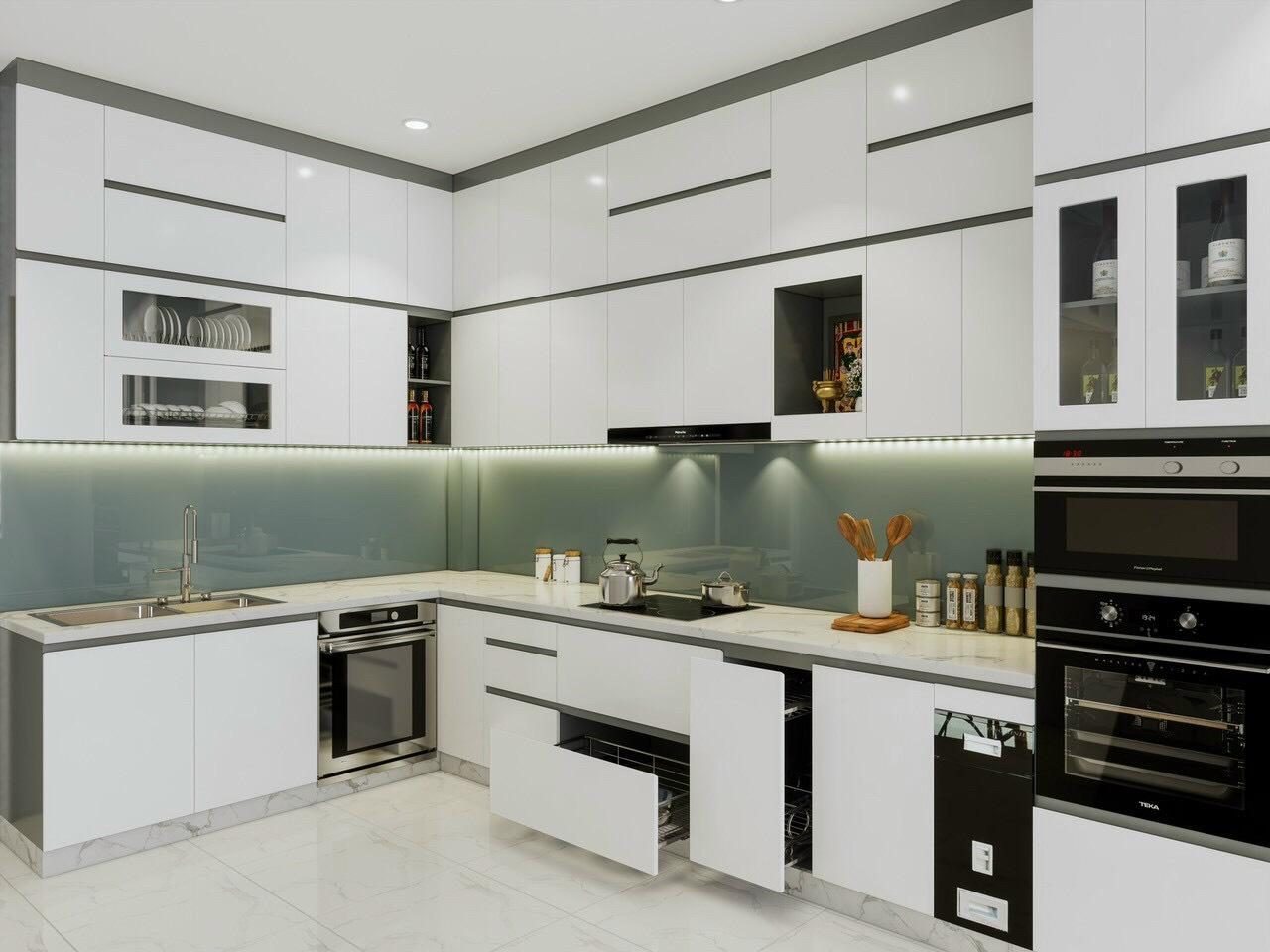
A crockery unit near the dining table can make everyday dining more organised while adding an attractive storage feature to the room. It provides a dedicated place for plates, bowls, serving dishes, glasses, cutlery and other dining essentials, reducing clutter in the kitchen and dining area.
SLE Pune provides modular kitchen and interior solutions in Pune, including practical storage planning that can be coordinated with the dining area. A crockery unit can be designed according to the available wall space, dining-table position, storage requirements and overall interior style. From compact cabinets for apartments to larger display-and-storage units for spacious homes, the design can be planned around how the family uses the space.
Why Place a Crockery Unit Near the Dining Table?
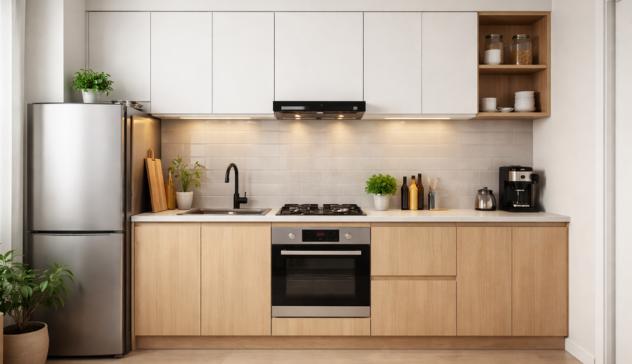
The area around a dining table is often convenient for storing items used during meals. Instead of walking repeatedly between the kitchen and another storage room, commonly used crockery can be kept within easy reach.
A well-planned unit can provide:
- Dedicated storage for crockery and serving items
- Easy access during meals
- Better organisation of dining essentials
- A cleaner-looking dining area
- Display space for decorative crockery
- Additional concealed storage
- Better use of an empty dining-room wall
The design should leave enough space around the dining table for comfortable movement. Door opening, chair clearance and access to other parts of the room should be considered before finalising the unit.
Modern Crockery Unit Designs for the Dining Area
Crockery units can be designed in different configurations depending on the room and the amount of storage required.
Full-Height Crockery Cabinet
A full-height unit makes use of vertical wall space and can combine closed cabinets, drawers and display sections. It can be useful when the dining area has limited floor space but requires considerable storage.
Wall-Mounted Crockery Unit
A wall-mounted design keeps the floor area open and can create a lighter appearance. It is suitable for homes where easy cleaning and open floor space are priorities.
Crockery Unit with Glass Display
Glass shutters can be used to display attractive crockery, glassware or decorative pieces while keeping them protected from dust. Internal lighting can also be incorporated where suitable.
Crockery Unit with Closed Storage
Closed cabinets provide concealed storage for items that are used less frequently. This option can help maintain a neat appearance without putting every item on display.
Compact Crockery Unit
For smaller apartments, a compact cabinet can be planned around the available wall width. The unit can combine drawers, shelves and cabinets without making the dining area feel crowded.
Custom Crockery Unit Near Dining Table
Every dining space has different dimensions and storage requirements. A custom crockery unit can therefore be planned around the actual room instead of selecting a fixed-size cabinet.
The design can consider:
- Available wall width and height
- Dining-table dimensions
- Chair movement and clearance
- Storage capacity
- Shelf heights
- Drawer requirements
- Glassware storage
- Display requirements
- Electrical points for lighting
- Existing interior finishes
- Colour and material preferences
SLE Pune can coordinate storage planning with the broader kitchen and home interior requirements so that the crockery unit complements the surrounding spaces.
Crockery Storage Solutions
A crockery unit should be more than a decorative cabinet. Internal storage should be planned according to the items that will actually be kept inside.
Depending on the design, storage may include:
Adjustable Shelves
Adjustable shelves allow different-sized plates, bowls, serving dishes and containers to be organised efficiently.
Drawers
Drawers can be useful for cutlery, napkins, table accessories and smaller dining items.
Display Shelves
Open shelves can be used for decorative crockery, plants, photographs or other selected décor elements.
Glass Shutters
Glass-fronted sections can provide visibility while protecting displayed items.
Closed Cabinets
Closed storage is useful for items that are not needed every day and helps keep the dining area visually tidy.
Crockery Unit Materials and Finishes
The appearance and durability of a crockery unit depend on its construction materials, surface finish and hardware.
Different finishes can be selected to complement the dining table, flooring, wall colour and surrounding furniture. Depending on the design requirement, options may include wood-look finishes, laminates, acrylic-style finishes, glass sections and other suitable cabinet finishes.
Hardware such as hinges, drawer channels and handles should also be selected according to the required functionality and usage.
The right combination of material, colour and finish can help the crockery unit blend with the existing interior rather than appearing as a separate piece of furniture.
Crockery Unit with Kitchen and Dining Interior Design
In an open-plan home, the kitchen and dining areas are often visually connected. A crockery unit can therefore be designed to complement the kitchen cabinets and other interior elements.
Matching or coordinated finishes can create continuity between:
- Modular kitchen cabinets
- Dining-area storage
- Crockery cabinets
- Kitchen hardware
- Wall finishes
- Lighting
- Dining furniture
SLE Pune’s kitchen and interior planning approach can consider these elements together where the project requires a coordinated look.
How to Choose the Right Crockery Unit for Your Home
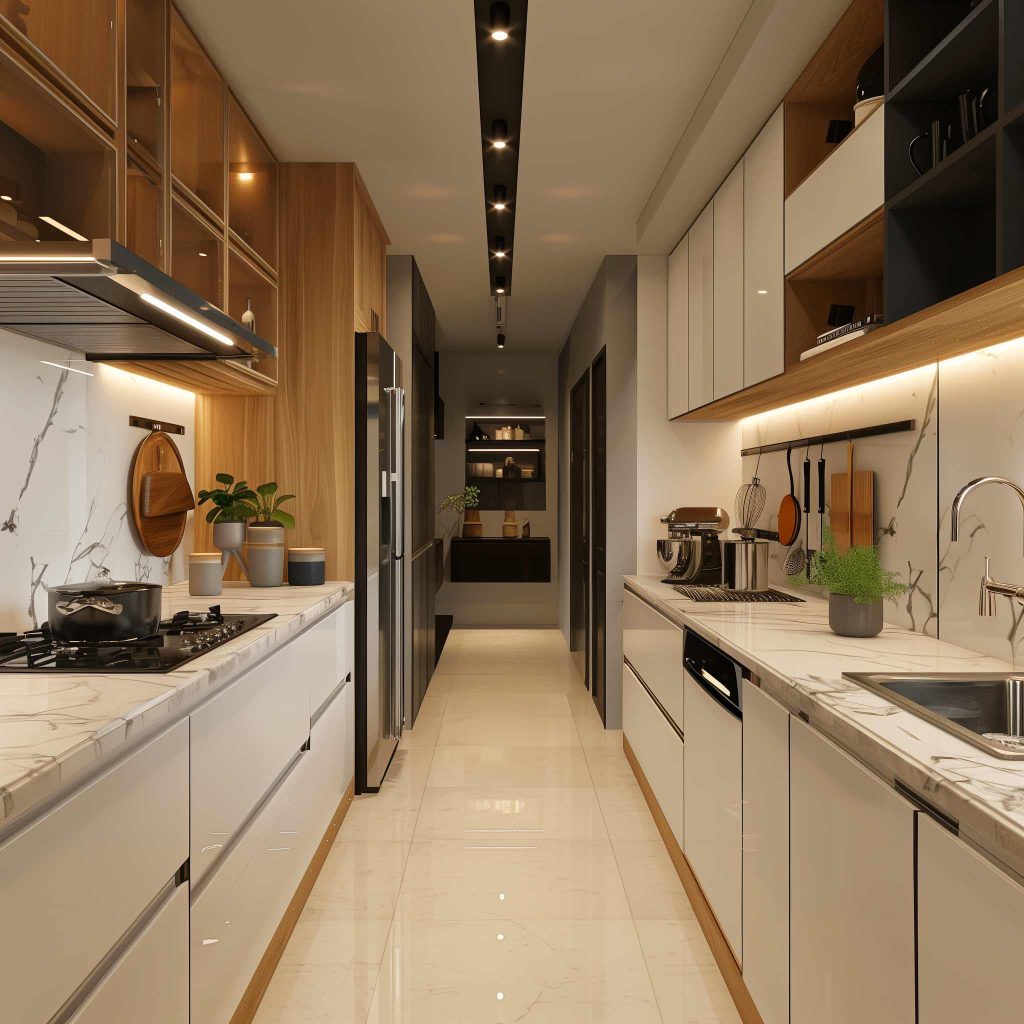
Before selecting a crockery cabinet, consider how much storage you actually need and how frequently the items will be used.
A few important points include:
Measure the Available Space
Check the wall width, ceiling height and depth available for the cabinet. Measurements should also account for doors, windows and other fixed elements.
Consider Dining Movement
There should be sufficient clearance between the crockery unit, dining chairs and walking paths. A large cabinet may not be suitable if it makes the dining area difficult to move around.
Plan Storage by Usage
Keep frequently used plates, glasses and serving dishes in easily accessible sections. Less frequently used items can be stored in higher or closed cabinets.
Match the Existing Interior
The crockery unit can use complementary colours and finishes so that it works with the dining table, kitchen and overall home interior.
Include Lighting Where Appropriate
Display sections can incorporate suitable lighting to highlight crockery and improve visibility, provided electrical planning is considered in advance.
Crockery Unit for Small Dining Areas
Small dining spaces require careful storage planning. Instead of using a deep floor-standing cabinet, homeowners can consider vertical storage or a compact wall-mounted solution.
A slim unit with a combination of closed cabinets and limited display space can provide useful storage without overwhelming the room.
For smaller apartments in Pune, the design should prioritise practical storage while maintaining comfortable movement around the dining table.
Crockery Unit for Large Dining Areas
Larger dining rooms provide more flexibility in terms of cabinet size and configuration. A broader storage wall can combine display shelves, closed cabinets and drawers.
However, the unit should still be proportionate to the dining table and surrounding furniture. A balanced design can provide substantial storage without making the dining area visually heavy.
Why Choose SLE Pune for Storage and Interior Solutions?
SLE Pune provides modular kitchen and kitchen interior solutions designed around practical household requirements. Storage planning can be customised according to the available space, preferred layout and intended usage.
For a crockery unit project, important considerations can include:
- Space planning
- Storage requirements
- Cabinet configuration
- Material and finish selection
- Hardware selection
- Coordination with the kitchen
- Interior design requirements
- Manufacturing support
- Installation
- Customer support
The goal is to create storage that is useful in everyday life while fitting naturally into the home’s interior.
Our Design and Installation Process
1. Requirement Discussion
The first step is understanding your storage requirements, dining-area layout and preferred design style.
2. Site Measurement
The available wall and floor space can be measured to determine suitable cabinet dimensions and placement.
3. Layout Planning
The crockery unit configuration is planned around storage requirements, dining-table position and movement within the room.
4. Design and Material Selection
Cabinet finishes, colours, shelves, drawers, glass sections and suitable hardware can be selected according to the project.
5. Design Confirmation
The proposed configuration is reviewed before production and installation.
6. Manufacturing
Once the design and specifications are confirmed, the required components can be prepared according to the project requirements.
7. Installation
The unit is installed at the planned location with attention to alignment, functionality and finishing.
8. Final Inspection
The completed installation is checked for cabinet alignment, doors, drawers and overall functionality.
What Should Be Stored in a Crockery Unit?
A crockery unit can store plates, bowls, serving dishes, glasses, cups, cutlery, trays and other dining accessories. Storage should be divided according to item size and frequency of use.
Where Should a Crockery Unit Be Placed?
A crockery unit can be placed on a suitable wall near the dining table, provided there is sufficient clearance for chairs and movement. The final position depends on the room layout, doors, windows, electrical points and available wall space.
Can a Crockery Unit Be Customised?
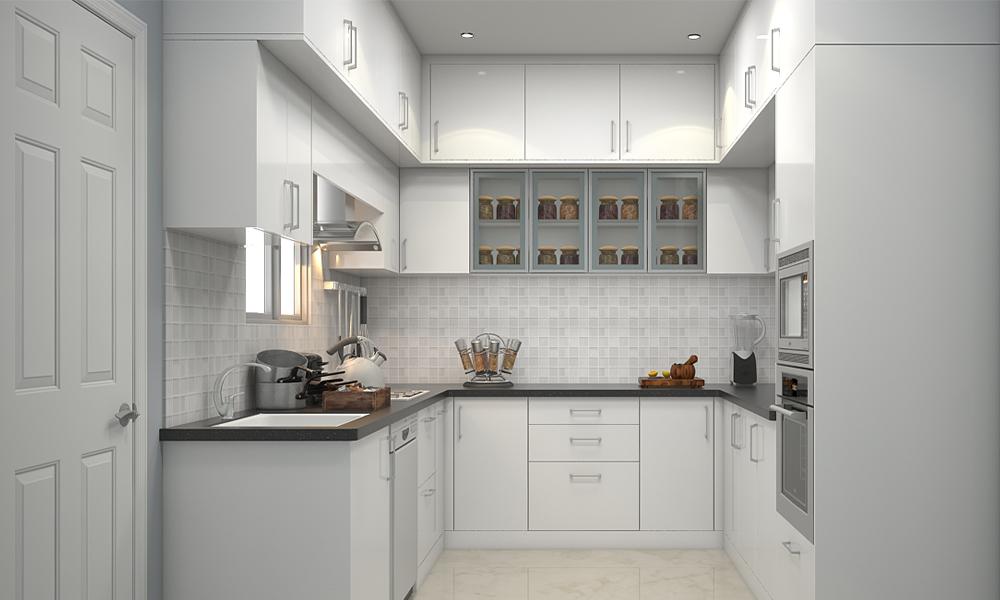
Yes. A crockery unit can be planned around available dimensions, storage requirements, cabinet configuration, finishes and display preferences. Customisation is particularly useful when the available wall space does not suit standard furniture sizes.
How Much Does a Crockery Unit Cost in Pune?
The cost depends on factors such as dimensions, materials, finish, cabinet configuration, hardware, glass sections, drawers and installation requirements. A project-specific assessment is needed for a more accurate quotation.
Can a Crockery Unit Match My Modular Kitchen?
Yes. A crockery unit can be designed with complementary or matching colours, finishes and hardware so it coordinates with the modular kitchen and dining-area interiors.
What is a crockery unit?
A crockery unit is a storage cabinet designed for plates, bowls, glasses, serving dishes, cutlery and other dining-related items. It can include closed cabinets, drawers, shelves and display sections.
Is a crockery unit near the dining table useful?
Yes. Keeping commonly used dining items near the table can make serving and clearing meals more convenient while providing dedicated storage.
Can SLE Pune design a custom crockery unit?
SLE Pune can provide storage and interior planning solutions based on the available space, design requirements and project specifications.
What type of crockery unit is suitable for a small dining area?
A compact or wall-mounted unit can be suitable for a small dining area. Vertical storage can help use available wall space while preserving floor area.
Can a crockery unit include glass doors?
Yes. Glass sections can be incorporated into a crockery unit when the homeowner wants to display selected crockery while keeping it enclosed.
What materials and finishes can be used?
The available options depend on the project. Cabinet materials, laminates, glass sections and other suitable finishes can be selected according to the required appearance, usage and budget.
How much does a crockery unit cost in Pune?
Pricing varies according to size, materials, finishes, hardware, storage configuration and installation requirements. A specific quotation depends on the final design and project specifications.
Can the crockery unit match the kitchen interior?
Yes. Colours, finishes and hardware can be coordinated with the modular kitchen and other interior elements to create a consistent appearance.
Does SLE Pune provide installation?
Installation can be included as part of the project according to the agreed scope of work and final requirements.
Which areas of Pune does SLE Pune serve?
SLE Pune provides modular kitchen and interior solutions across its service areas in Pune. Service availability should be confirmed for your specific location and project.
Plan Your Crockery Unit Near the Dining Table
Looking for a practical crockery unit that fits your dining area? SLE Pune can help with space planning, storage configuration, material and finish selection, and installation requirements.
Discuss your dining-area storage requirements with SLE Pune and plan a crockery unit that works with your kitchen and home interior.
Contact SLE Pune to discuss your crockery storage and interior requirements in Pune.